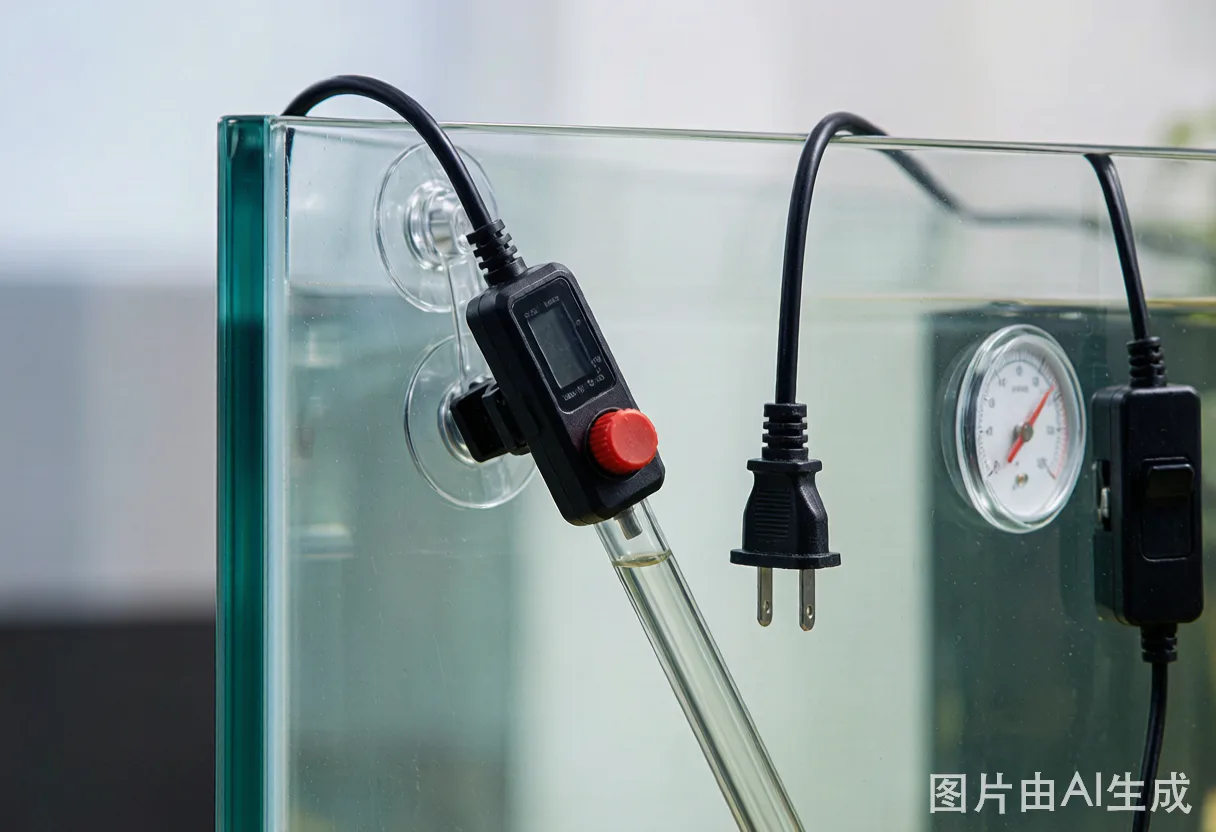
A heater is the quiet workhorse of a tropical tank; get it wrong and your fish ride a temperature rollercoaster. The good news is that a reliable, correctly sized heater is cheap insurance.
How to size a heater
A common rule is 3–5 watts per gallon for tropical tanks in a normal room, more if the room is cold. A 20-gallon tank wants roughly 100–150 W. Oversizing slightly is fine; a heater that cycles less lasts longer.
| Tank size | Suggested wattage | Notes |
|---|---|---|
| 5–10 gal | 50 W | One small adjustable heater |
| 20 gal | 100–150 W | Single heater is fine |
| 40+ gal | 2 x 100 W | Two heaters share the load |
Pro tip
Use two smaller heaters on a big tank instead of one huge unit. If one fails, the other holds the line and you avoid a cooked or frozen tank.
What to look for
An adjustable thermostat beats a fixed one, and a shatterproof glass or titanium tube survives accidents. Auto shut-off on exposure to air prevents burnout during water changes.
Our picks for 2026
For reliability, the Eheim Jäger and Fluval submersible lines are the safe, accurate choices; the Aqueon Pro and Hygger offer good value with clear displays. Match the wattage to your tank, not the marketing.
Placement and check
Place the heater near the filter outflow so heat spreads evenly, and verify it with a separate thermometer. A heater's dial is a guide, not a guarantee.
How to choose the right one
With best aquarium heater 2026 (and how to size one), match the tool to your tank volume and stocking, not to the marketing. A filter or heater sized for a 20-gallon tank will struggle in a 55, and oversized gear can stress sensitive species. Read the spec sheet in terms of your actual water volume.
Setup and maintenance
Position the unit for good flow and easy access, then maintain it on a schedule: rinse media in old tank water (never tap water), and check performance during each water change. Well-maintained gear lasts years and keeps water stable between services.
Alternatives at a glance
No single product suits every tank. Compare build quality, running cost, and how much hands-on time you want. For many beginners a simpler, reliable option beats a feature-heavy one they never fully learn to use.
Buying tips
Buy from a retailer with a real return policy, keep the receipt, and resist the urge to overspend on the first model you see. A mid-range unit from a known brand usually beats a cheap unknown on reliability.
How to choose the right one
With best aquarium heater 2026 (and how to size one), match the tool to your tank volume and stocking, not to the marketing. A filter or heater sized for a 20-gallon tank will struggle in a 55, and oversized gear can stress sensitive species. Read the spec sheet in terms of your actual water volume, and add a margin for a planted or heavily stocked tank. Reviews from long-term users beat glossy product photos when it comes to reliability.
Setup and maintenance
Position the unit for good flow and easy access, then maintain it on a schedule: rinse media in old tank water (never tap water, which kills beneficial bacteria), and check performance during each water change. Well-maintained gear lasts years and keeps water stable between services. Keep a spare of critical items — a backup heater or air pump — so a single failure never becomes an emergency that costs fish their lives.
Alternatives at a glance
No single product suits every tank. Compare build quality, running cost, and how much hands-on time you want. For many beginners a simpler, reliable option beats a feature-heavy one they never fully learn to use. Consider energy use too: a device running 24/7 adds up, and a efficient model pays for the price difference over a year of operation.
Buying tips
Buy from a retailer with a real return policy, keep the receipt, and resist the urge to overspend on the first model you see. A mid-range unit from a known brand usually beats a cheap unknown on reliability and spare-part availability. Watch for bundles that include media or fittings you would buy anyway — they are often the better value once you price the extras separately.