| Temperature | 21–26 °C (70–79 °F) |
|---|---|
| pH | 6.5–7.5 |
| KH | 2–4 dKH |
| GH | 6–8 dGH |
| Min tank | 5 gal (19 L) |
| Adult size | 4 cm |
| Lifespan | 1–2 years |
| Diet | Omnivore (biofilm, algae) |
| Temperament | Peaceful |
| Origin | Bred worldwide (native E Asia) |
| School size | 10+ |
| Good tank mates | snail, otocinclus, small peaceful fish |
| Avoid with | betta, large fish, any predator |
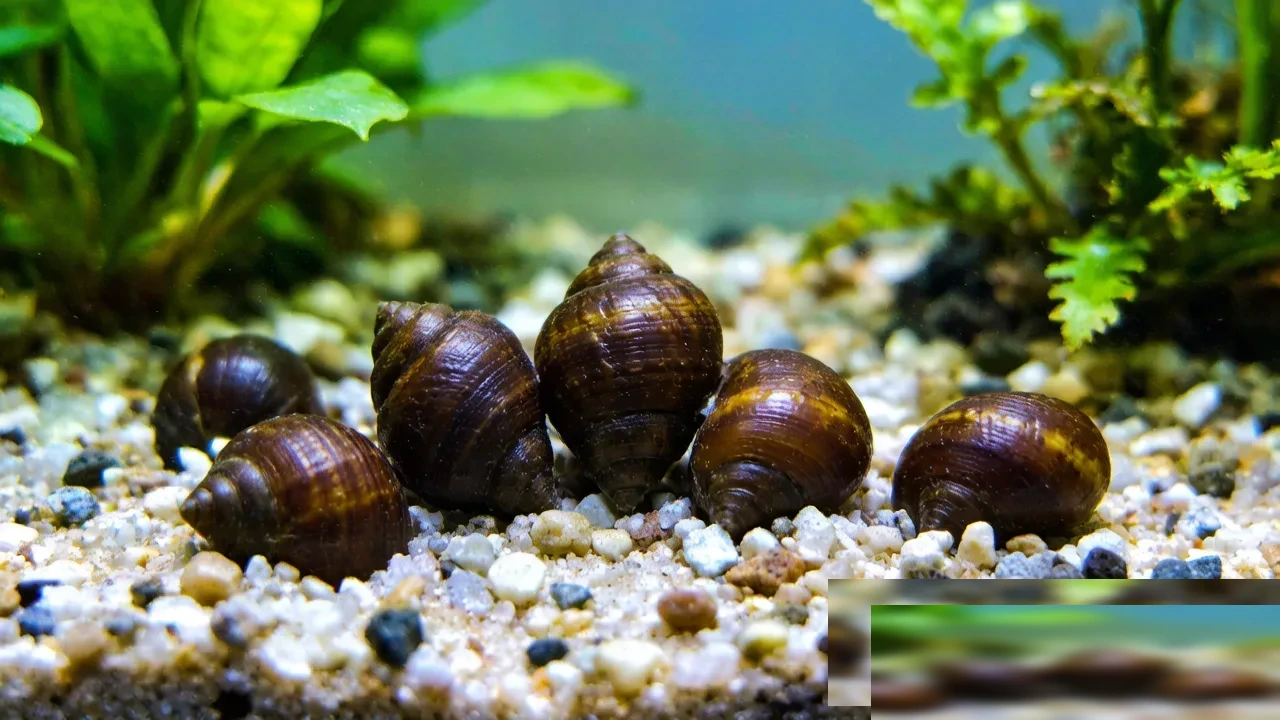
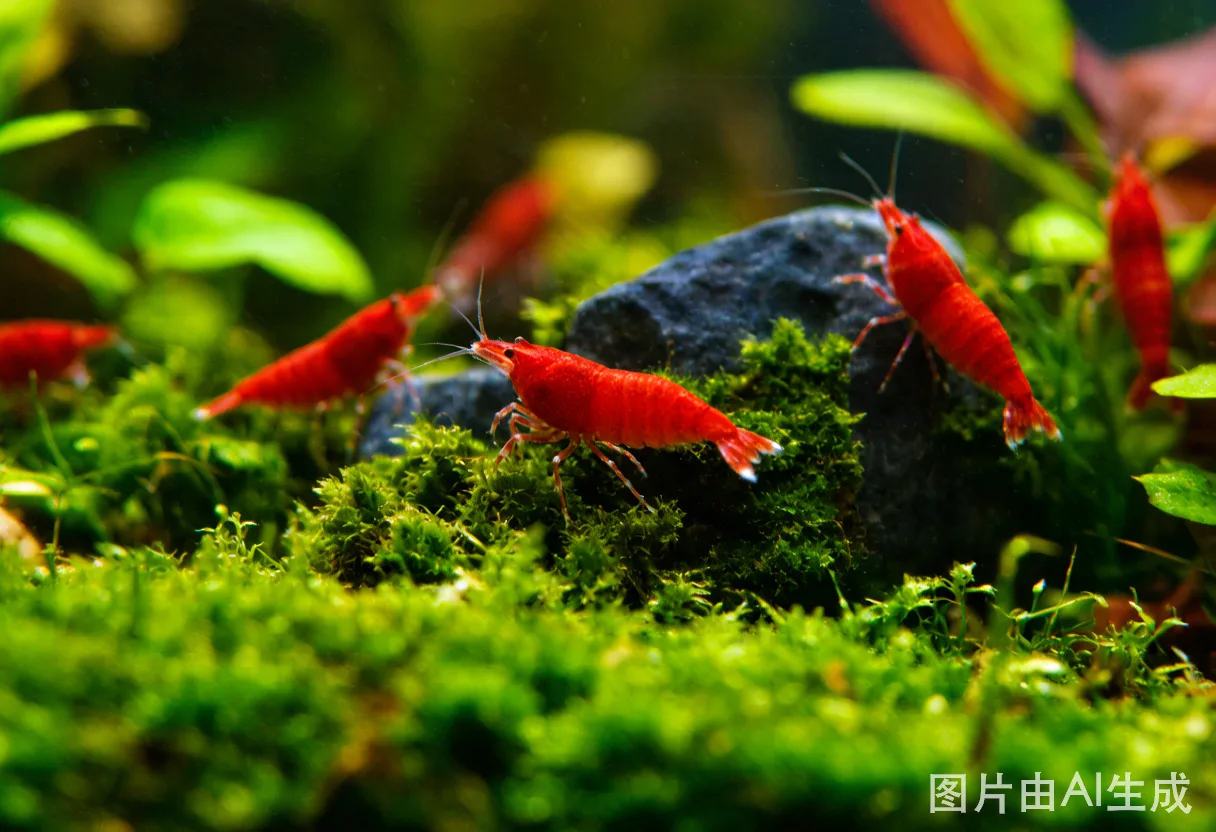
Red cherry shrimp (Neocaridina davidi) have exploded in popularity because they turn a planted tank into a living, self-cleaning diorama. A healthy colony grazes algae, picks at biofilm, and scatters bright red across the green.
Why keep cherry shrimp
They are small, peaceful, and genuinely useful, eating the algae film and detritus that builds up on leaves and glass. They also breed readily, so a single purchase can become a thriving colony.
Tank size and water
A 5-gallon tank is enough to start, though 10 gallons stabilises parameters better. They like 21–26 °C and a pH around neutral. Shrimp are far less forgiving of ammonia and sudden changes than fish, so a mature, cycled tank is essential.
Pro tip
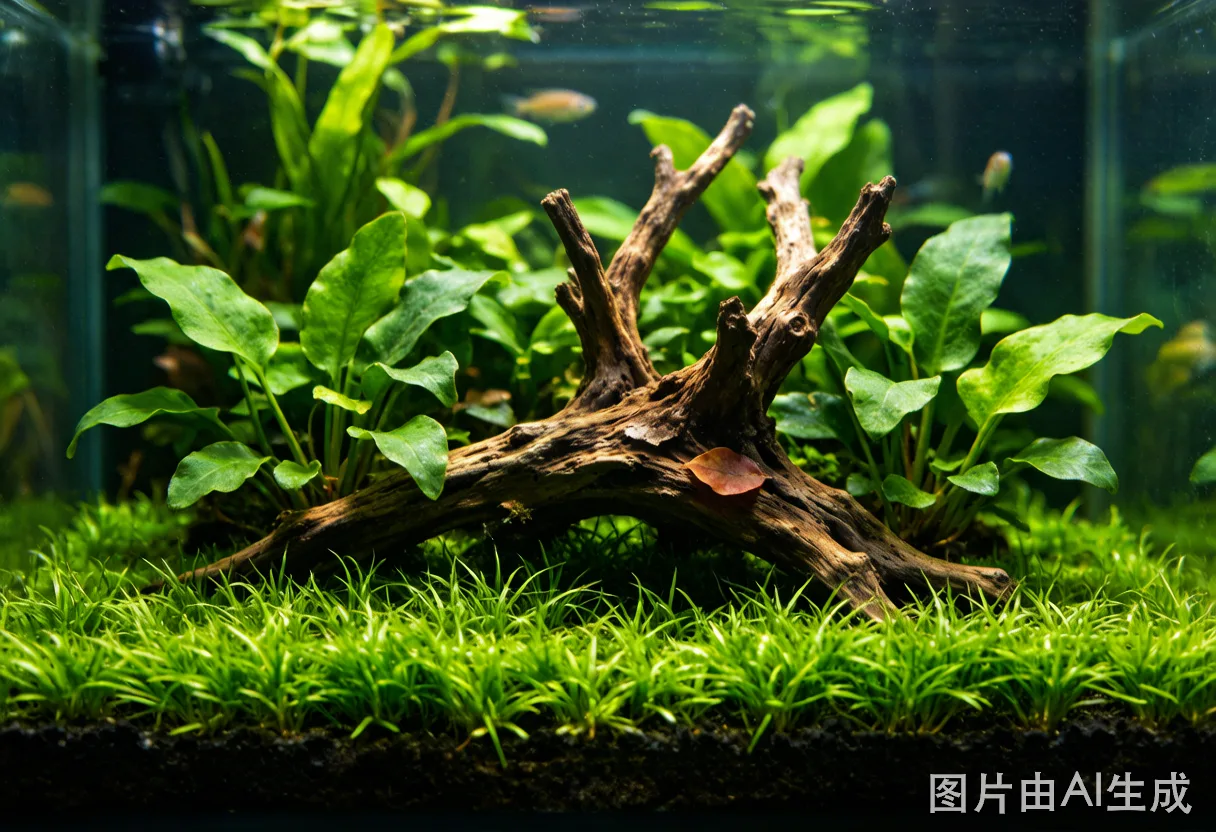
Add plenty of moss and floating plants. Shrimplets need cover to survive the first weeks, and dense vegetation is what turns a few shrimp into a colony.
Diet
In a planted tank they mostly graze, but supplement with a shrimp pellet or blanched spinach once or twice a week. Overfeeding pollutes fast in a small shrimp tank, so keep portions tiny.
Tank mates
Snails and small, peaceful fish such as otocinclus or tiny tetras can work, but any fish large enough to eat a shrimp will. Bettas and most community fish will hunt shrimplets, so a shrimp-only tank is safest for breeding.
Common issues
The usual shrimp killer is a botched water change: temperature shock or chlorinated tap water wipes a colony overnight. Match temperature and use a dechlorinator that also binds heavy metals.
How to recognise a healthy Cherry Shrimp
Before you buy, watch the tank at the shop for ten minutes. A healthy Cherry Shrimp (Neocaridina davidi) is alert and upright, holds its colour, and eats readily. Fins should be intact and unclamped, the belly lightly rounded rather than hollow, and the skin free of white speckling, cottony patches or red streaks. Avoid any fish that sits at the bottom, rubs against decor, or hangs at the surface gasping — those are early signs you may meet common fish diseases soon after purchase.
Tank setup that suits Cherry Shrimp
In the wild this fish comes from Bred worldwide (native E Asia). Mirror that at home with a 5-gallon-or-larger tank, a soft sand or fine-gravel substrate, and plenty of live plants or driftwood for cover and territory. Stable warmth around 21–26 °C (70–79 °F) and a gentle but effective filter keep stress low. Keep them in a group of at least 10 so the shoal behaves naturally and no single fish is picked on.
Water parameters
Target 21–26 °C (70–79 °F) and a pH near 6.5–7.5. The single most important rule is stability: a cycled tank with ammonia and nitrite at zero matters more than hitting an exact number. Test weekly, and do regular partial water changes to keep nitrates under control.
Feeding Cherry Shrimp
They are omnivore (biofilm, algae) by nature, so offer a varied diet: a quality dry staple plus frozen or live foods a few times a week. Feed only what they clear in about a minute, once or twice daily for adults. Overfeeding is the fastest route to poor water quality and ammonia spikes, so when in doubt, feed a little less.
Tank mates
Good companions for Cherry Shrimp include snail, otocinclus, small peaceful fish. Avoid housing them with betta, large fish, any predator. Always match tank mates by temperament and adult size, not just by how they look in the shop.
Common problems to watch for
Even well-kept Cherry Shrimp can run into trouble. The most frequent issues are parasitic and bacterial infections, poor water quality, and stress from overcrowding. Quarantine new arrivals in a separate quarantine tank for two to four weeks before they join the main display.
A simple weekly routine
Keep Cherry Shrimp thriving with a repeatable habit: test water weekly, top up with matched-temperature water during a partial change, wipe algae from the glass, and glance at the filter flow. A calm, consistent routine prevents most problems before they start.
How to recognise a healthy Cherry Shrimp
Before you buy, watch the tank at the shop for ten minutes. A healthy Cherry Shrimp (Neocaridina davidi) is alert and upright, holds its colour, and eats readily the moment food hits the water. Fins should be intact and unclamped, the belly lightly rounded rather than hollow, and the skin free of white speckling, cottony patches or red streaks. Eyes should be clear, not clouded. Avoid any fish that sits on the bottom, rubs against decor, or hangs at the surface gasping — those are early signs you may meet common fish diseases soon after purchase. Buying healthy stock is cheaper than any medicine.
Tank setup that suits Cherry Shrimp
In the wild this fish comes from Bred worldwide (native E Asia). Mirror that at home with a 5-gallon-or-larger tank, a soft sand or fine-gravel substrate, and plenty of live plants or driftwood for cover and territory. Stable warmth around 21–26 °C (70–79 °F) and a gentle but effective filter keep stress low, and stress is the root cause of most illness. Keep them in a group of at least 10 so the shoal behaves naturally and no single fish is singled out or picked on. Good planting also gives shy fish somewhere to retreat, which pays off in calmer, healthier behaviour.
Water parameters
Target 21–26 °C (70–79 °F) and a pH near 6.5–7.5. The single most important rule is stability: a fully cycled tank with ammonia and nitrite at zero matters more than hitting an exact number on the dot. Test weekly and act on trends, not single readings. Carry out regular partial water changes to keep nitrates under control, and match the temperature of any new water to the tank so you never shock the fish. A simple log of dates and readings takes two minutes and turns vague worry into clear pattern recognition.
Feeding Cherry Shrimp
They are omnivore (biofilm, algae) by nature, so offer a varied diet built on a quality dry staple with frozen or live foods a few times a week. Feed only what they clear in about a minute, once or twice daily for adults. Overfeeding is the fastest route to poor water quality and ammonia spikes, so when in doubt, feed a little less rather than a little more. Remove any uneaten food after a few minutes with a fine net or turkey baster. A varied diet keeps colours vivid and the immune system strong; a monotonous one leads to deficiency and faded fish over time.
Tank mates
Good companions for Cherry Shrimp include snail, otocinclus, small peaceful fish. Avoid housing them with betta, large fish, any predator. Always match tank mates by temperament and adult size, not just by how they look in the shop — a fish that fits the tank at two centimetres may outgrow every neighbour within a year. Add new tank mates to a settled, established tank rather than all at once, and observe for the first hour to catch any chasing early.
Common problems to watch for
Even well-kept Cherry Shrimp can run into trouble. The most frequent issues are parasitic and bacterial infections, poor water quality, and stress from overcrowding or bullying. Learn the early warning signs now: clamped fins, lost appetite, rapid breathing, flashing against decor, or a change in colour. Catching a problem in the first day or two is the difference between a quick recovery and a tank-wide outbreak. Quarantine new arrivals in a separate quarantine tank for two to four weeks before they join the main display.
Acclimating new Cherry Shrimp
When new fish arrive, float the sealed bag for 15–20 minutes to equalise temperature, then add a small cup of tank water every five minutes for half an hour so they adjust to your parameters gradually. Net them across rather than tipping shop water into your tank. Dim the lights and keep the room calm for the first evening; a gentle introduction prevents the shock that often precedes illness. Only feed the next day, once they have settled and are swimming normally.
A simple weekly routine
Keep Cherry Shrimp thriving with a repeatable habit: test water weekly, top up with matched-temperature water during a partial change, wipe algae from the glass, and glance at the filter flow. Watch feeding behaviour every day — a fish that skips a meal is telling you something. A calm, consistent routine prevents most problems before they start and makes the few that appear easy to spot and treat.