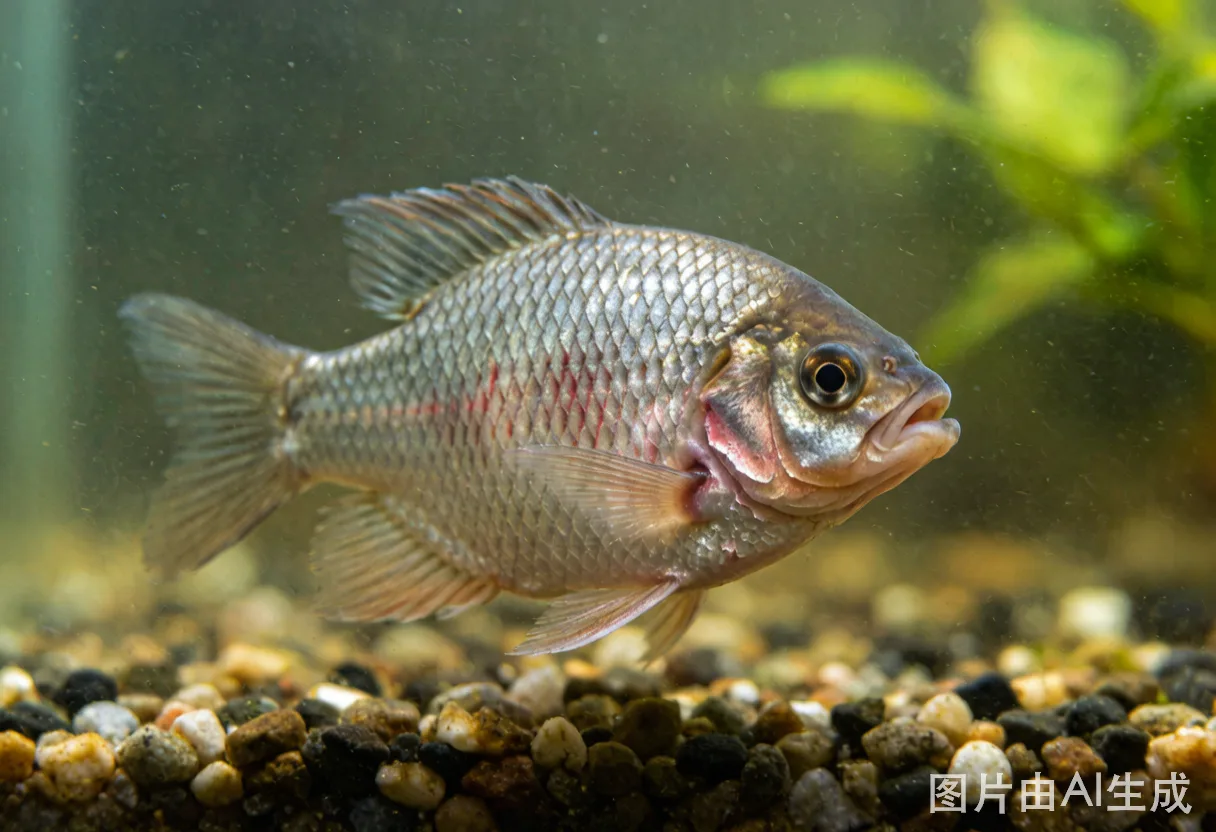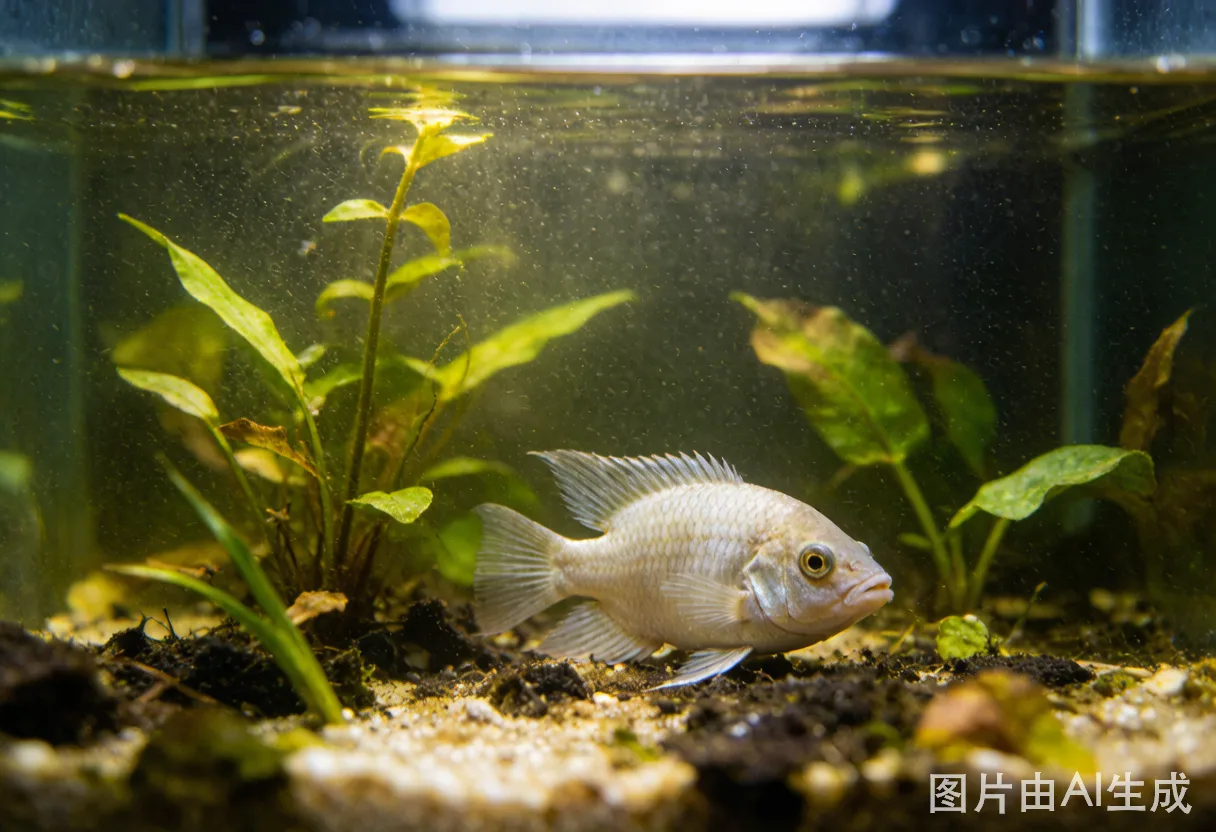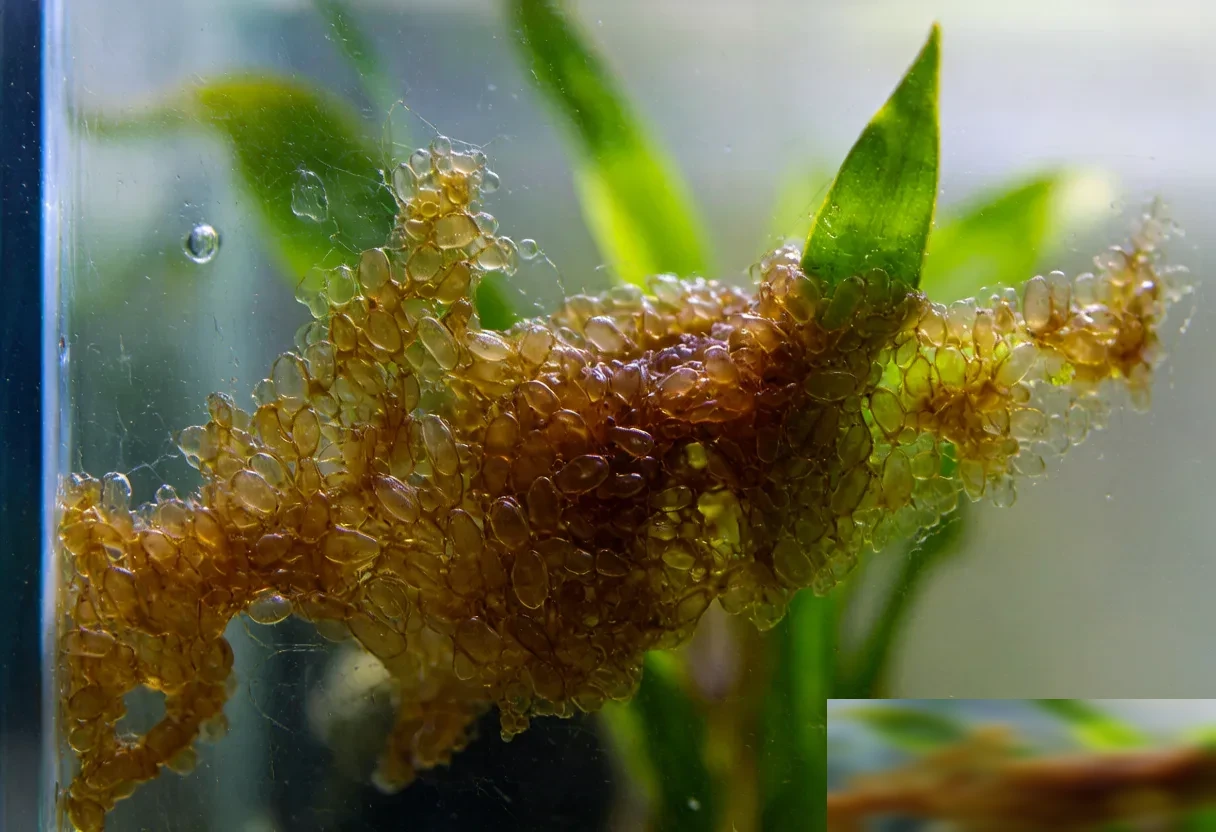
Most Gill flukes cases I see in beginner tanks are caught late because the early signs are easy to miss under normal lighting. Dactylogyrus The good news: most cases are treatable at home if you act in the first few days.
The symptom
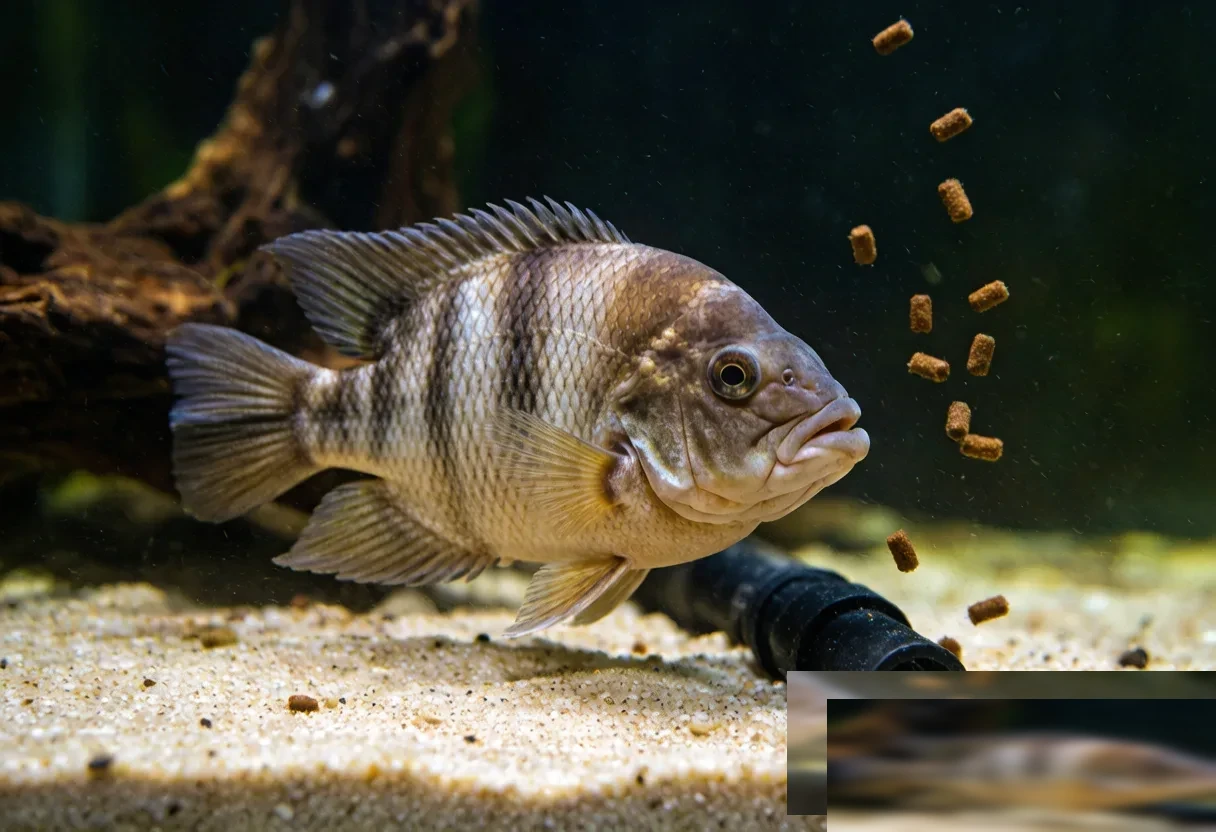
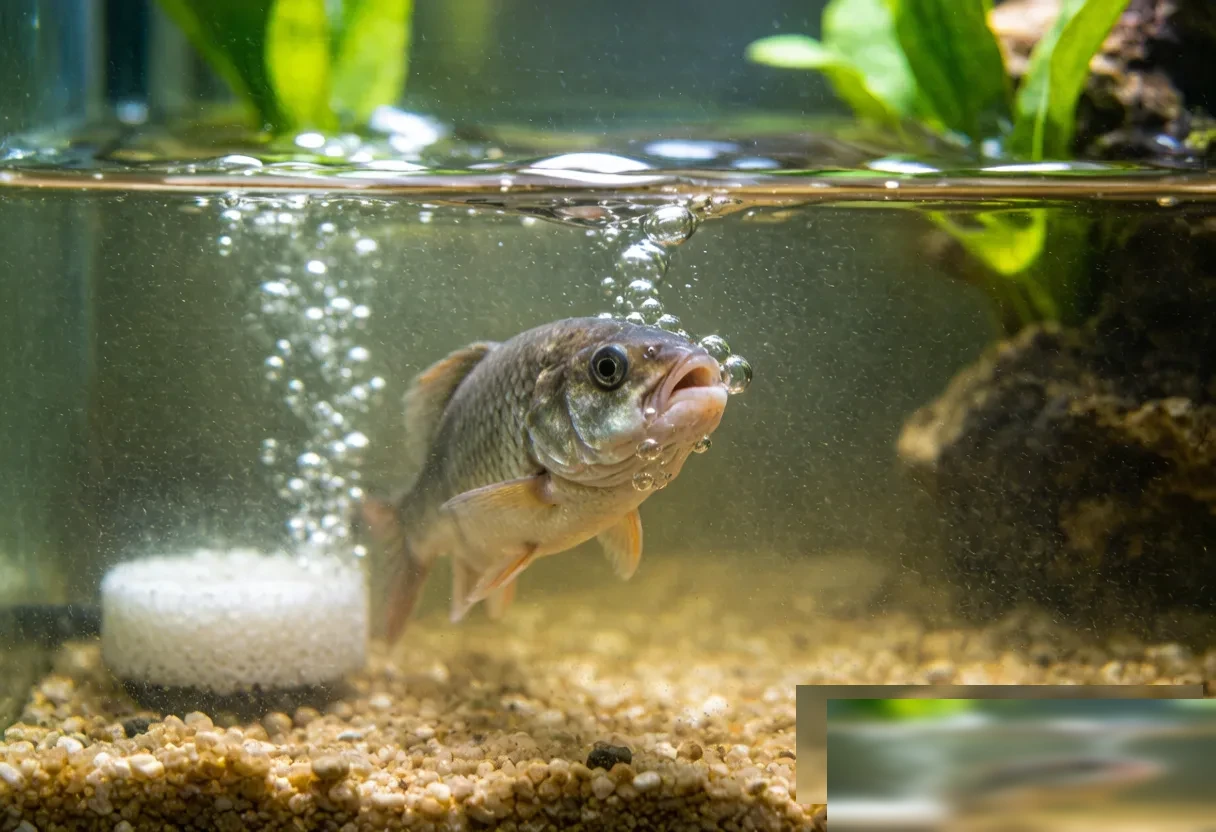
Fish gasp, flash against decor, and hover near the surface. Gills are inflamed but the cause is a microscopic worm.
What is actually causing it
Ranked by likelihood:
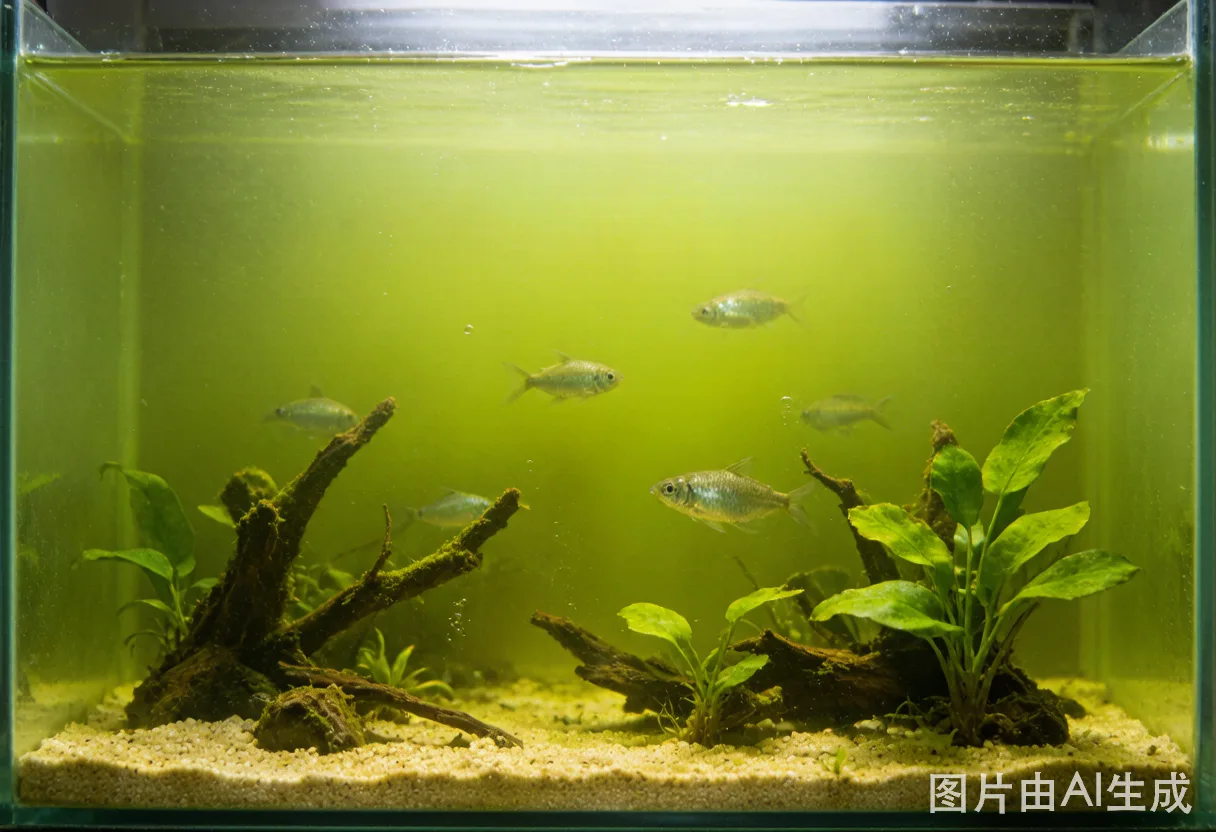
- Stress from poor water — ammonia or nitrite above 0 ppm, or nitrates over 40 ppm.
- Secondary infection — a wound or parasite opens the door.
- Temperature swing — more than 2 °C in a day weakens immunity.
Test the water first; treat the cause, not just the spot. A the monte carlo care: the beginner-friendly carpet plant makes the numbers obvious.
The treatment
Step by step:
- Move the sick fish to a hospital tank if you can — see the black skirt tetra care: a bold, easy schooler.
- Raise the temperature slowly to 29 °C to speed the pathogen's life cycle (species permitting).
- Add 0.1% aquarium salt, dissolved first, and keep it stable with a 34% water change every other day.
- Follow the medication label exactly; overdosing does more harm than the disease.
Prevention
Quarantine every new fish for 3 weeks, keep nitrates under 20 ppm, and avoid overcrowding. Stability is the best medicine — a tank that holds its parameters rarely sees outbreaks.