Bringing fish home is the most dangerous moment in their lives. The bag water differs from your tank in temperature, pH and chemistry, and dumping them in shocks their system. A careful acclimation turns a stressful trip into a safe arrival.
Step 1: Temperature
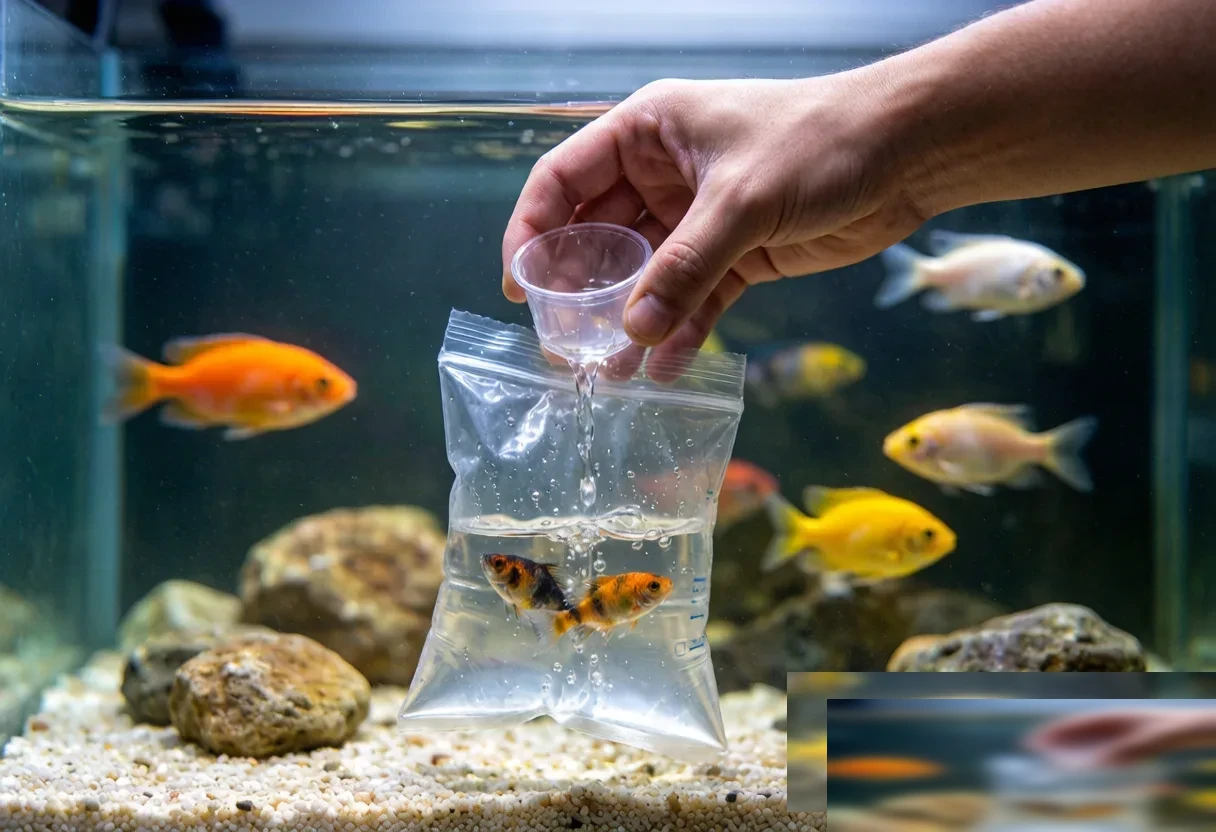
Float the sealed bag in your tank for 15–20 minutes so the water inside matches the tank. Do not open it yet; this is only about temperature.
Step 2: Drip acclimate
Open the bag, roll the top into a float, and siphon tank water in drop by drop using airline tubing. Aim to double or triple the bag volume over 30–60 minutes so the fish adjust to your pH and hardness.
Heads up
Never add the bag water to your tank. It can carry ammonia from the trip and any parasites or bacteria the store fish carried. Net the fish out and discard the water.
Step 3: Quarantine
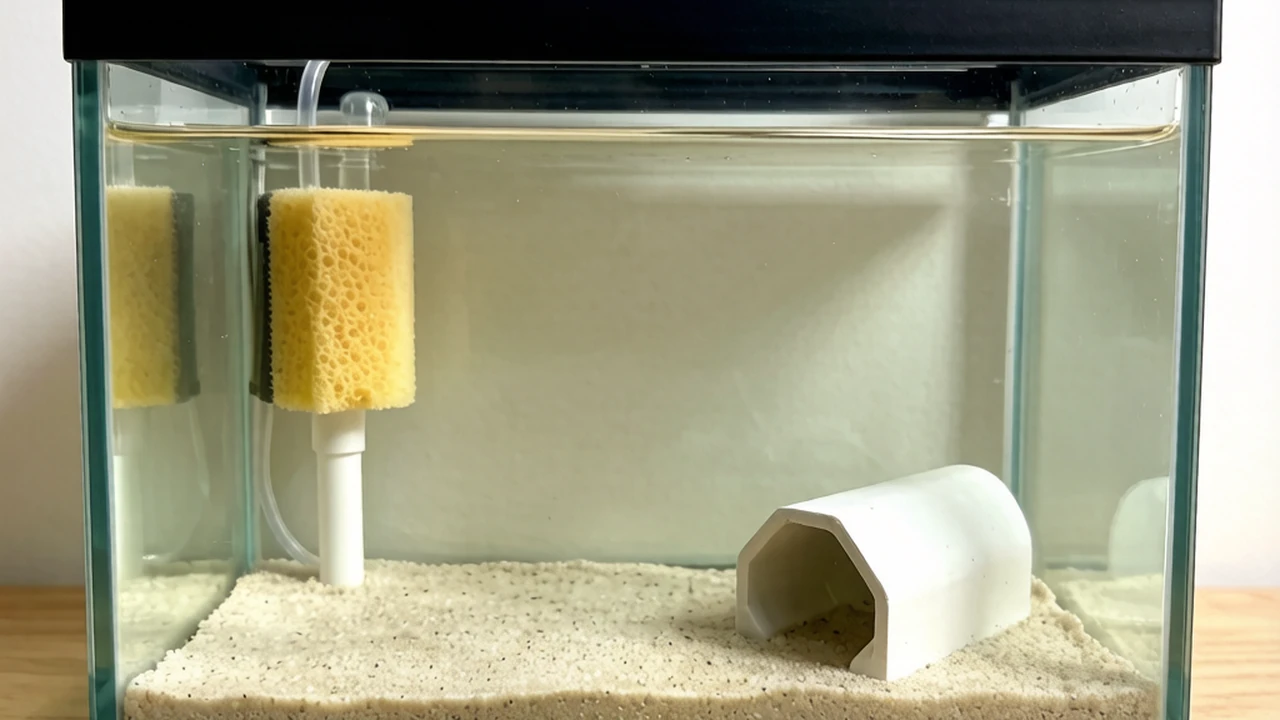
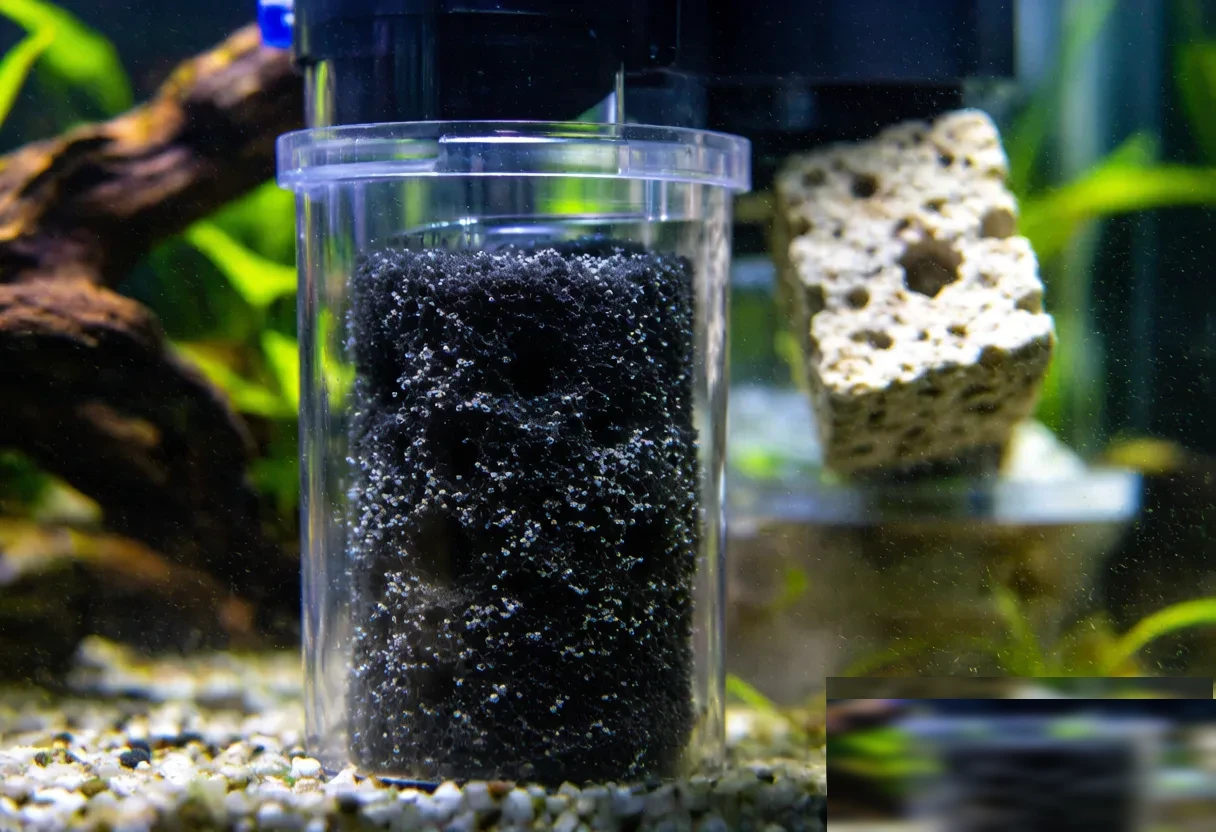
The single best habit is a separate quarantine tank for two weeks. Most disease shows up in that window, and treating a 10-gallon hospital tank is far easier than medicating a full display.
Step 4: Release
Net the fish gently into the tank, turn the lights down, and let them settle. Skip feeding for a day; a stressed fish will not eat and the uneaten food only fouls the water.
What you need before you start
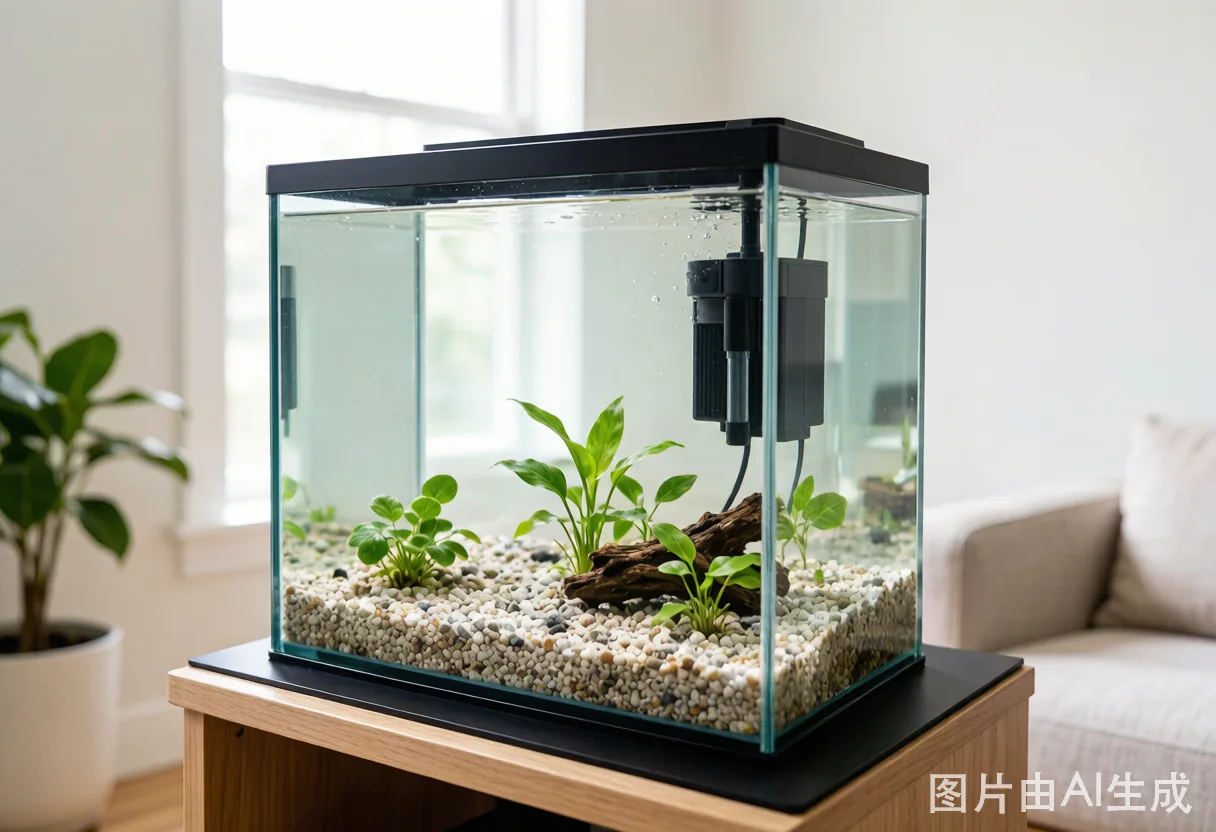
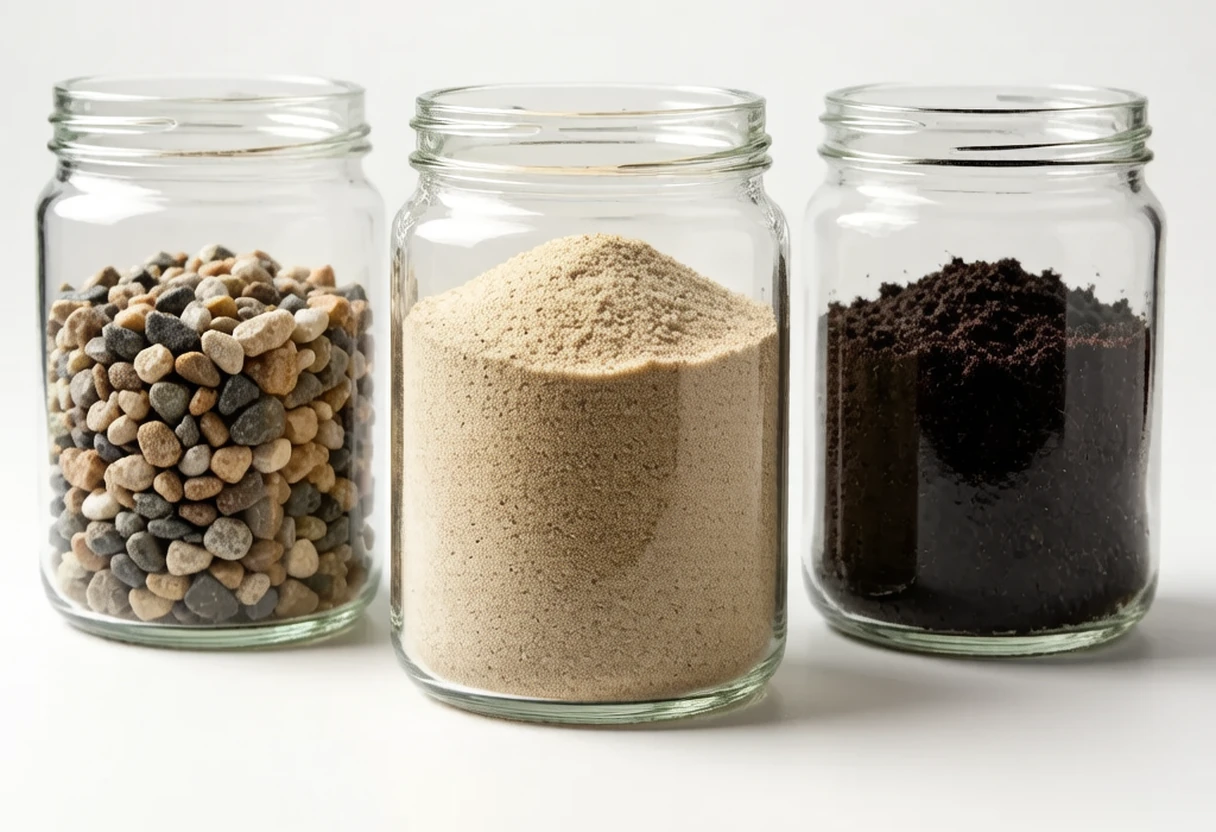
Every successful how to acclimate new fish (without killing them) rests on the same basics: a properly sized tank, a filter rated for the volume, a heater if you keep tropical fish, a substrate, and a water conditioner. Skipping any one of these is the usual reason beginners hit new tank syndrome.
Step-by-step
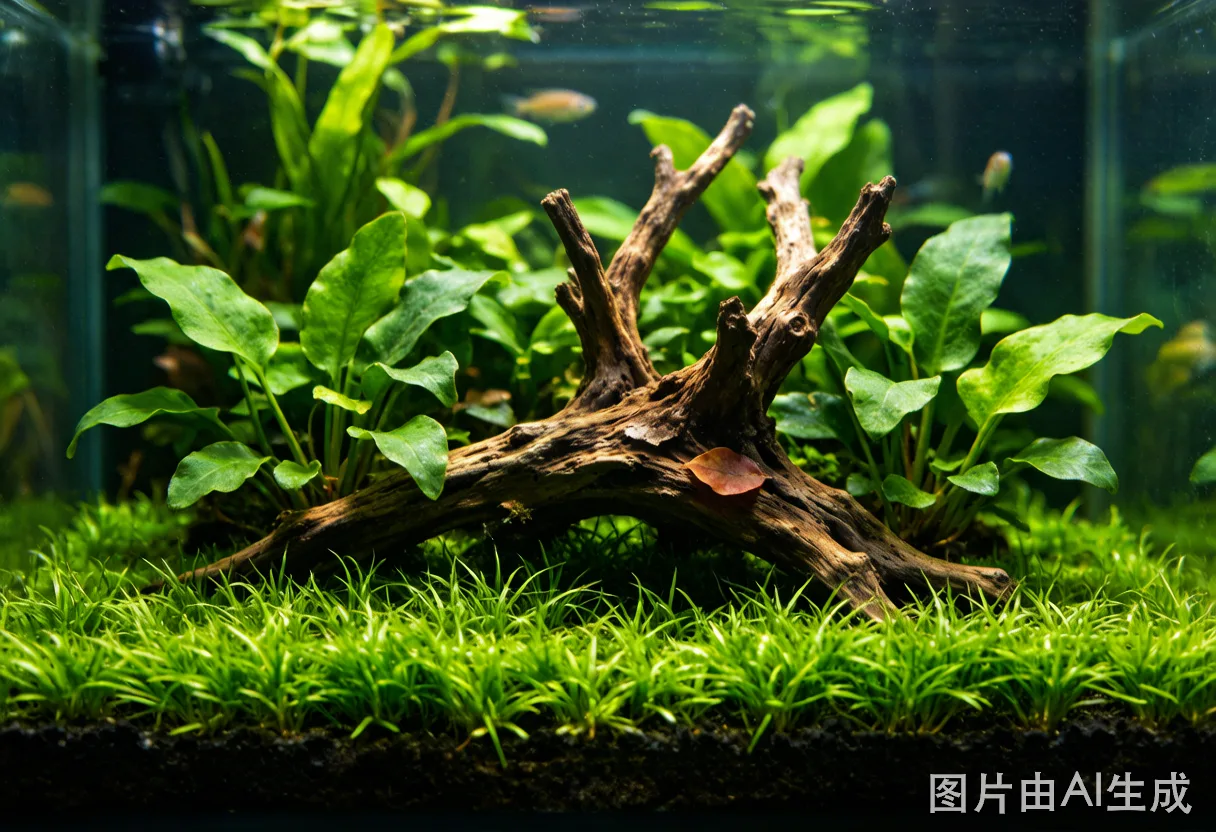
Set the tank on a level stand, add substrate and hardscape, fill with dechlorinated water, install filter and heater, then run the tank through the nitrogen cycle before adding fish. Patience here saves more fish than any medicine later.
Common mistakes
The big ones are adding too many fish too soon, forgetting regular water changes, and overfeeding. Each one spikes ammonia and stresses every inhabitant. A simple log of water tests and feeding takes two minutes a week and prevents most disasters.
First inhabitants
Once parameters are stable for a week, add a small group of hardy, peaceful fish and let the biological filter grow with the load. Build up slowly — a lightly stocked, stable tank outperforms an ambitious one that crashed in week two.
What you need before you start
Every successful how to acclimate new fish (without killing them) rests on the same basics: a properly sized tank, a filter rated for the volume, a heater if you keep tropical fish, a substrate, and a water conditioner. Skipping any one of these is the usual reason beginners hit new tank syndrome. Buy once, buy right — a slightly larger tank and a reliable filter save more fish than any additive. Make a written checklist and tick items off as you go so nothing is forgotten on setup day.
Step-by-step
Set the tank on a level stand rated for the weight, add substrate and hardscape, fill with dechlorinated water, install filter and heater, then run the tank through the nitrogen cycle before adding fish. Patience here saves more fish than any medicine later. The cycle establishes the beneficial bacteria that convert toxic ammonia into less harmful nitrate, and it takes a few weeks — there are no safe shortcuts. Use a liquid test kit, not strips, to read the process accurately.
Common mistakes
The big ones are adding too many fish too soon, forgetting regular water changes, and overfeeding. Each one Spikes ammonia and stresses every inhabitant. A simple log of water tests and feeding takes two minutes a week and prevents most disasters. Other frequent errors: placing the tank in direct sun (algae bloom), cramming décor that blocks swimming room, and chasing pH with chemicals instead of stabilising it naturally through water changes.
First inhabitants
Once parameters are stable for a week, add a small group of hardy, peaceful fish and let the biological filter grow with the load. Build up slowly — a lightly stocked, stable tank outperforms an ambitious one that crashed in week two. Feed lightly at first while the filter matures, and resist the urge to 'stock up' the tank in a single shopping trip. Gradual stocking is the kindest and most reliable path to a mature aquarium.