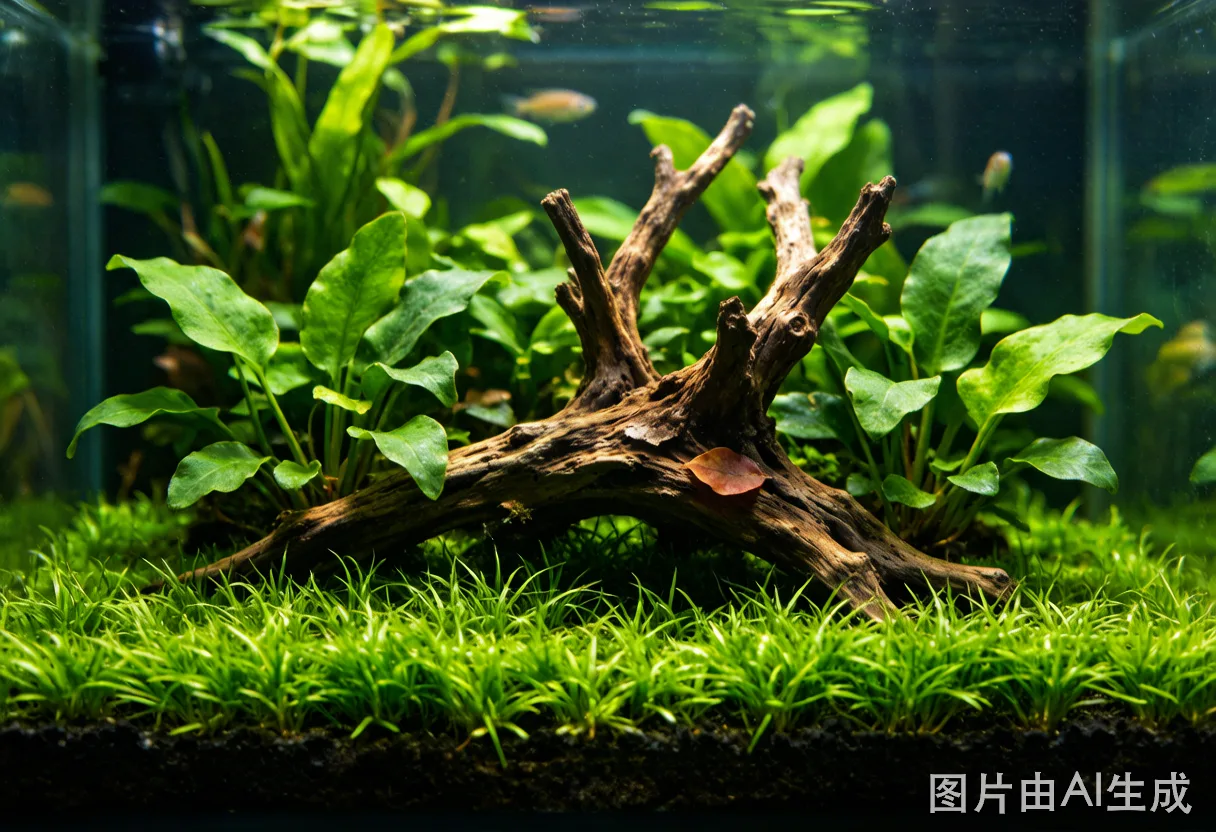
Aquascaping is the art of arranging hardscape, plants and substrate so a tank looks natural and stays healthy. You do not need a contest layout — a few simple rules get you 90% of the way there.
Why it matters
A good layout is not just pretty. It creates hiding spots that calm fish, spreads plant mass for filtration, and makes maintenance easier.
What you need
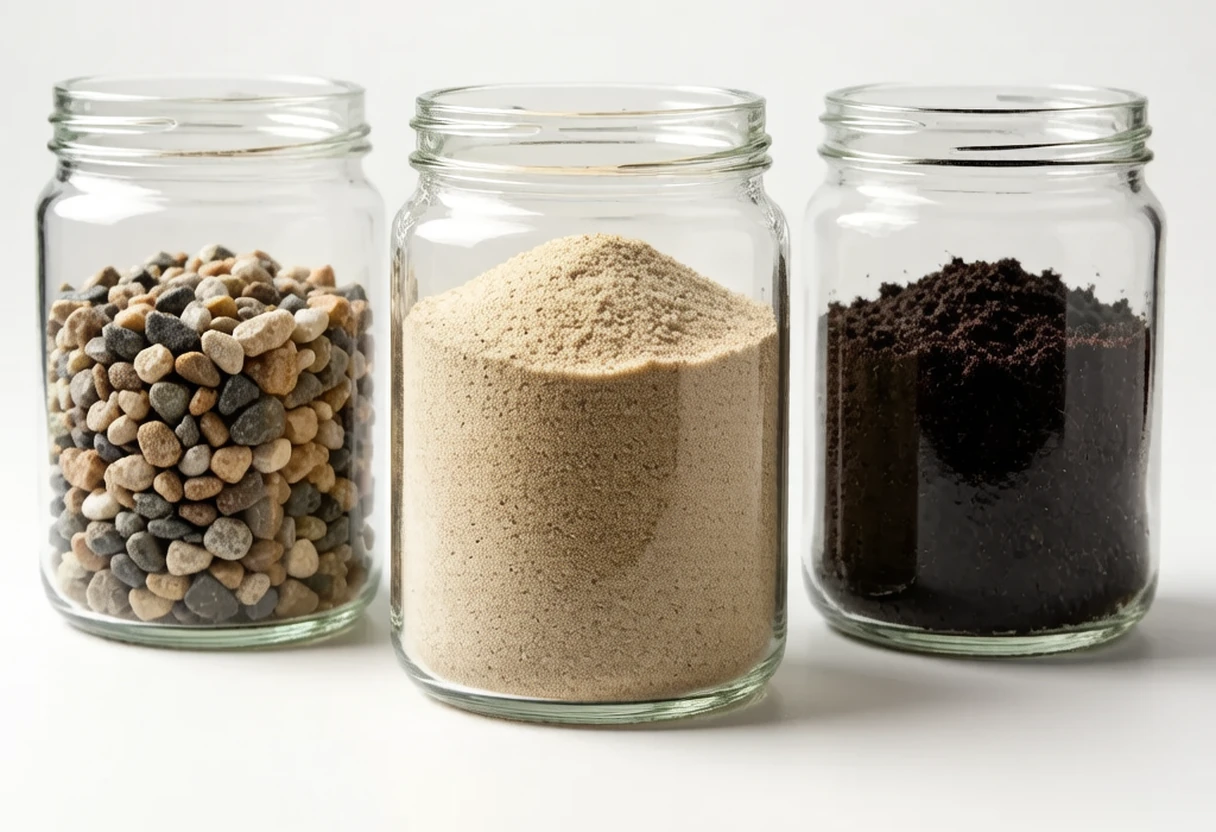
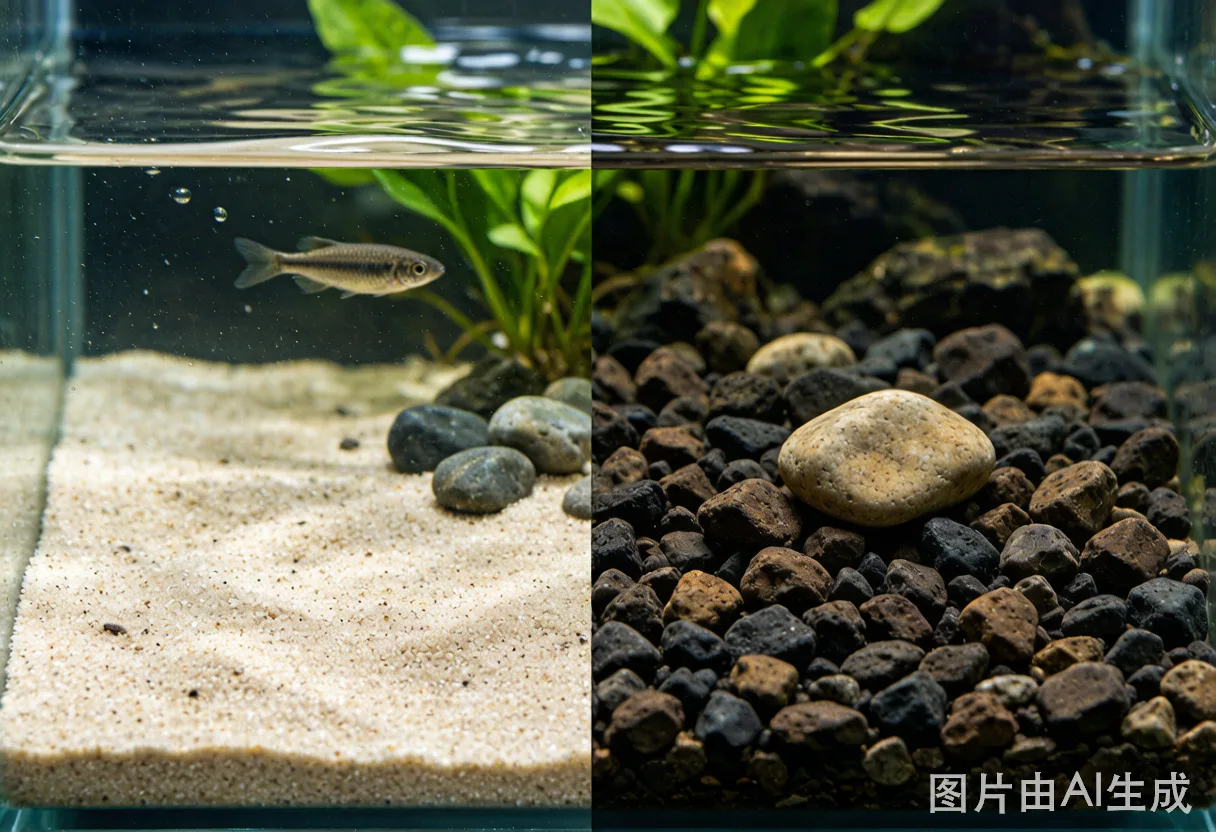
A substrate (soil or gravel), hardscape (driftwood and/or rock), plants chosen for your light level, and a plan for the 'golden ratio' of open space versus planting.
Pro tip
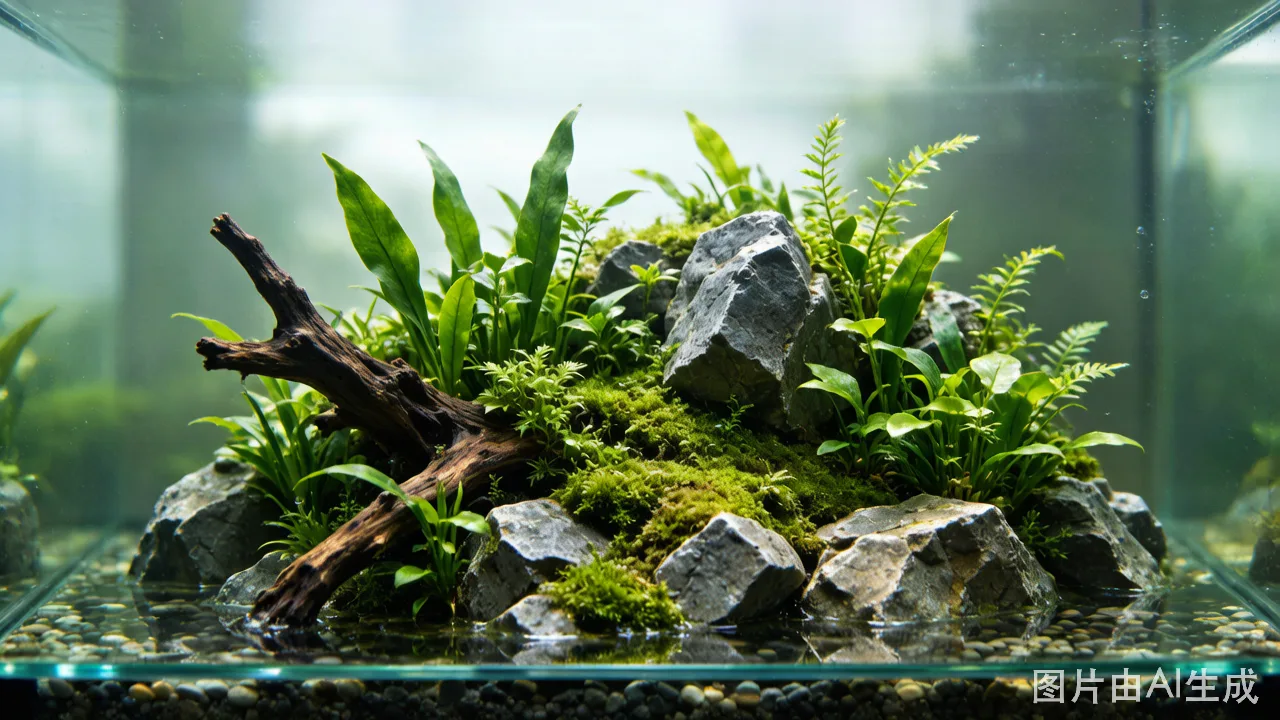
Use the rule of thirds: place the main hardscape off-centre and leave one open swimming lane. Asymmetry looks more natural than a centred pile.
Step by step
- Sketch a simple layout: where the wood/rock goes, and which areas stay open for fish to swim.
- Lay the substrate with a gentle slope (higher at the back) to add depth.
- Position hardscape first, then plant around it — root tall plants at the back, carpets and rosettes at the front.
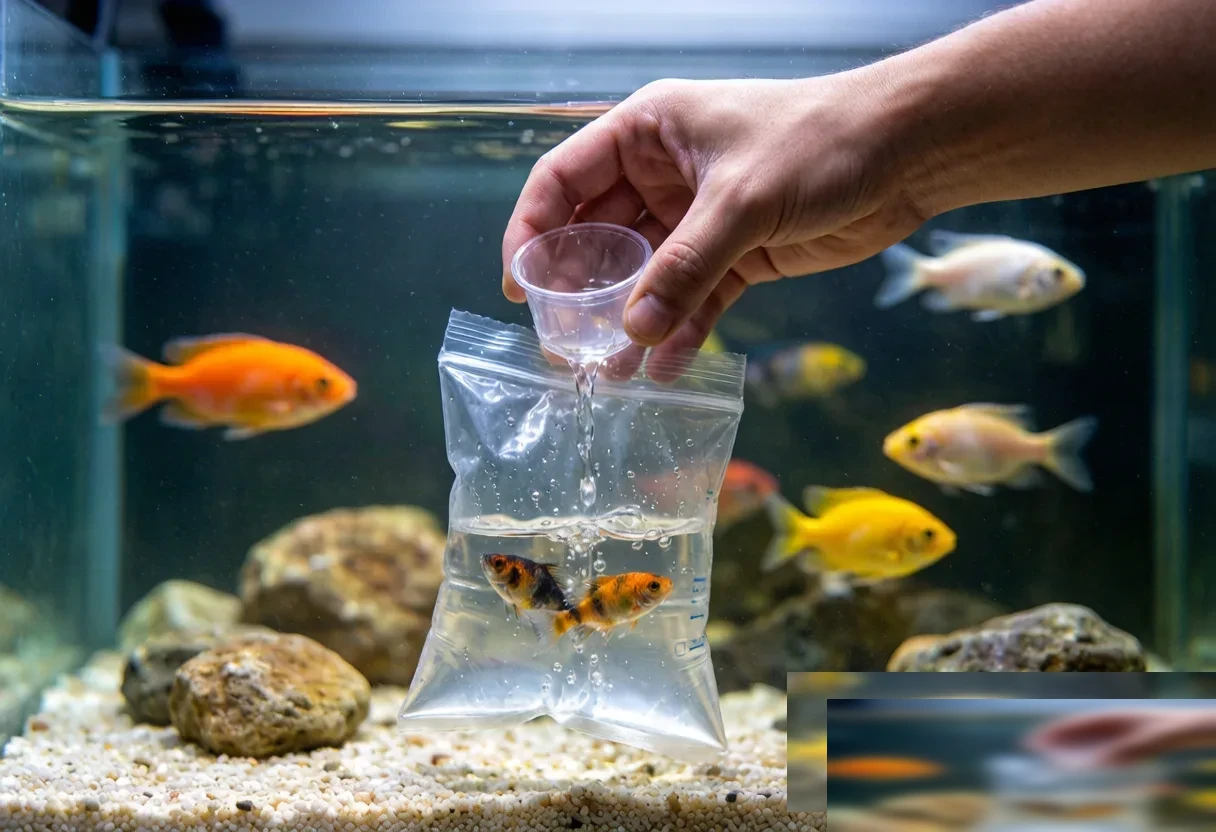
- Add water gently (onto a plate or bag) so you do not uproot plants, then start filtration.
Common mistakes
Crowding every plant in the centre, skipping a slope, and choosing high-light plants for a low-light tank. Match plants to your actual light first.
When to repeat or review
Trim and replant as it grows; reshape the hardscape only during a full rescape. Review plant choice if something keeps dying.
For background, see the beginner setup guide and all setup guides.
What you need before you start
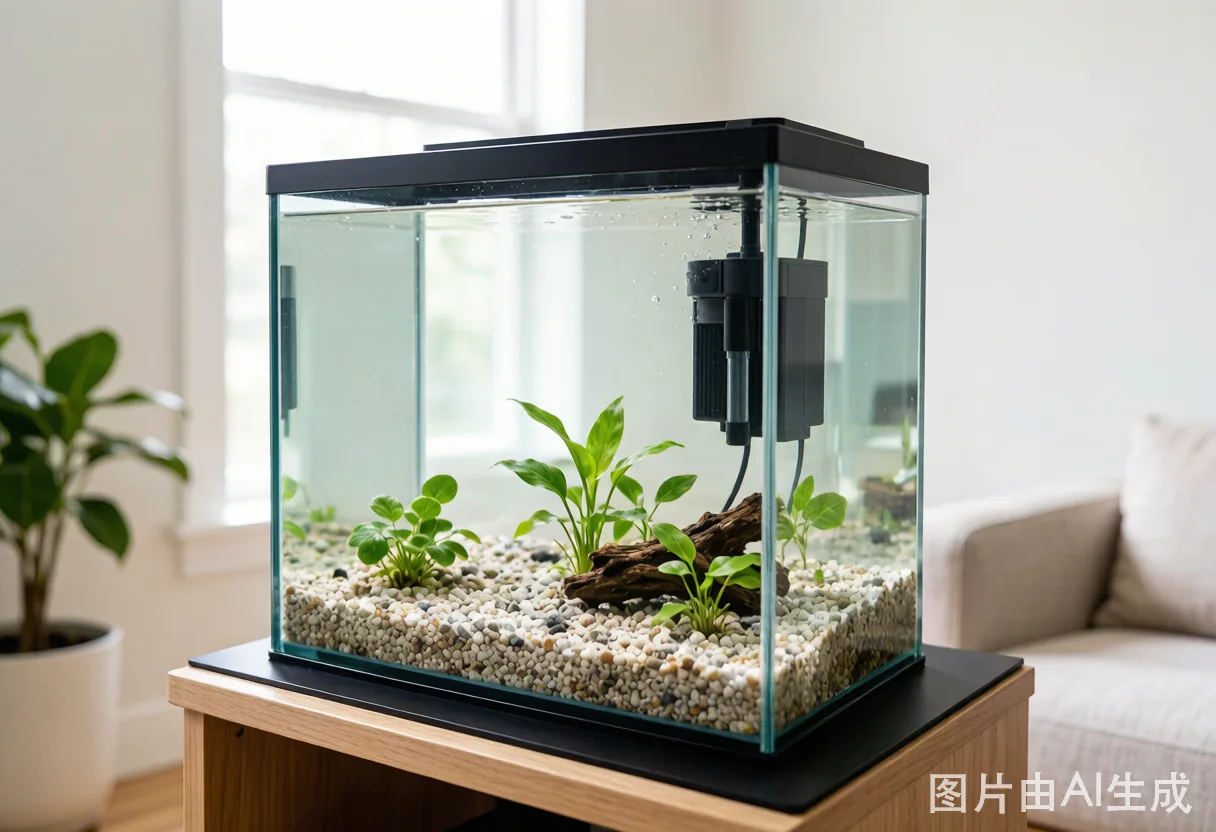
Every successful aquascaping for beginners: build a tank that looks good and works rests on the same basics: a properly sized tank, a filter rated for the volume, a heater if you keep tropical fish, a substrate, and a water conditioner. Skipping any one of these is the usual reason beginners hit new tank syndrome.
Step-by-step
Set the tank on a level stand, add substrate and hardscape, fill with dechlorinated water, install filter and heater, then run the tank through the nitrogen cycle before adding fish. Patience here saves more fish than any medicine later.
Common mistakes
The big ones are adding too many fish too soon, forgetting regular water changes, and overfeeding. Each one spikes ammonia and stresses every inhabitant. A simple log of water tests and feeding takes two minutes a week and prevents most disasters.
First inhabitants
Once parameters are stable for a week, add a small group of hardy, peaceful fish and let the biological filter grow with the load. Build up slowly — a lightly stocked, stable tank outperforms an ambitious one that crashed in week two.
What you need before you start
Every successful aquascaping for beginners: build a tank that looks good and works rests on the same basics: a properly sized tank, a filter rated for the volume, a heater if you keep tropical fish, a substrate, and a water conditioner. Skipping any one of these is the usual reason beginners hit new tank syndrome. Buy once, buy right — a slightly larger tank and a reliable filter save more fish than any additive. Make a written checklist and tick items off as you go so nothing is forgotten on setup day.
Step-by-step
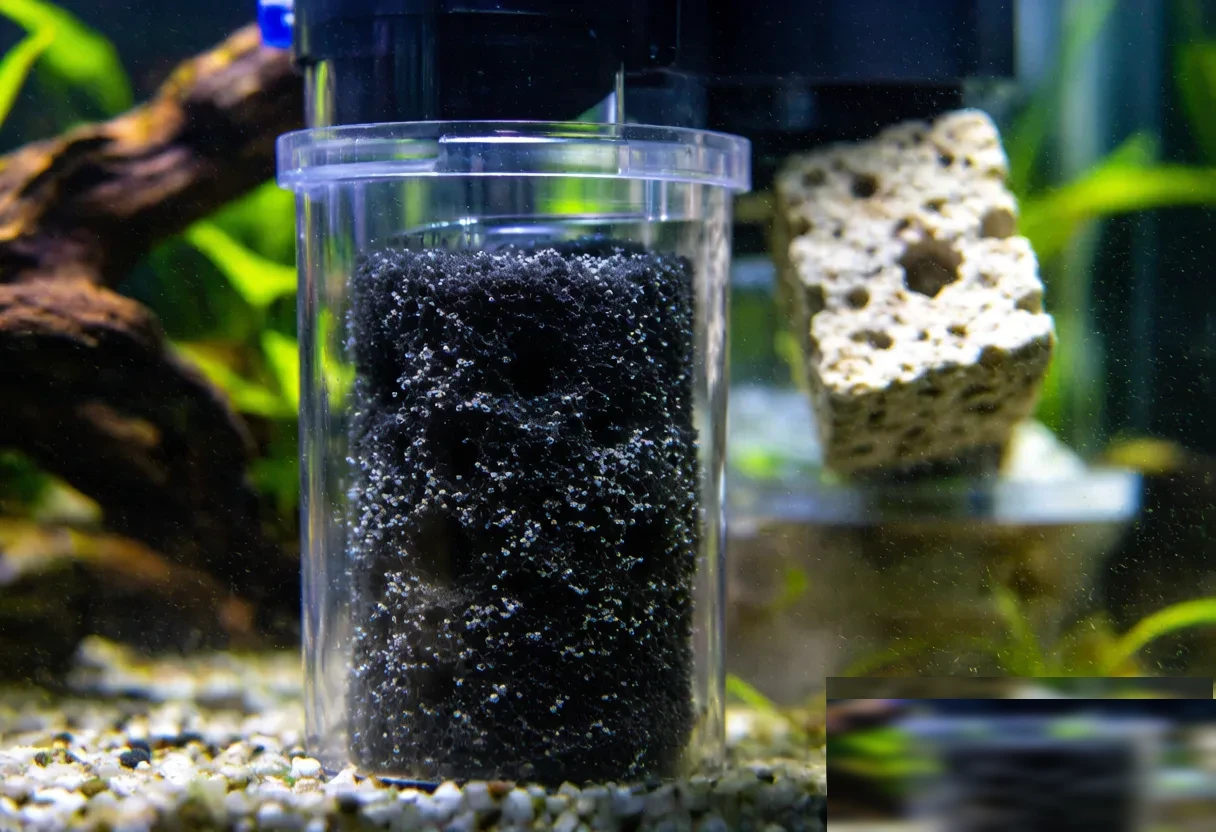
Set the tank on a level stand rated for the weight, add substrate and hardscape, fill with dechlorinated water, install filter and heater, then run the tank through the nitrogen cycle before adding fish. Patience here saves more fish than any medicine later. The cycle establishes the beneficial bacteria that convert toxic ammonia into less harmful nitrate, and it takes a few weeks — there are no safe shortcuts. Use a liquid test kit, not strips, to read the process accurately.
Common mistakes
The big ones are adding too many fish too soon, forgetting regular water changes, and overfeeding. Each one Spikes ammonia and stresses every inhabitant. A simple log of water tests and feeding takes two minutes a week and prevents most disasters. Other frequent errors: placing the tank in direct sun (algae bloom), cramming décor that blocks swimming room, and chasing pH with chemicals instead of stabilising it naturally through water changes.
First inhabitants
Once parameters are stable for a week, add a small group of hardy, peaceful fish and let the biological filter grow with the load. Build up slowly — a lightly stocked, stable tank outperforms an ambitious one that crashed in week two. Feed lightly at first while the filter matures, and resist the urge to 'stock up' the tank in a single shopping trip. Gradual stocking is the kindest and most reliable path to a mature aquarium.