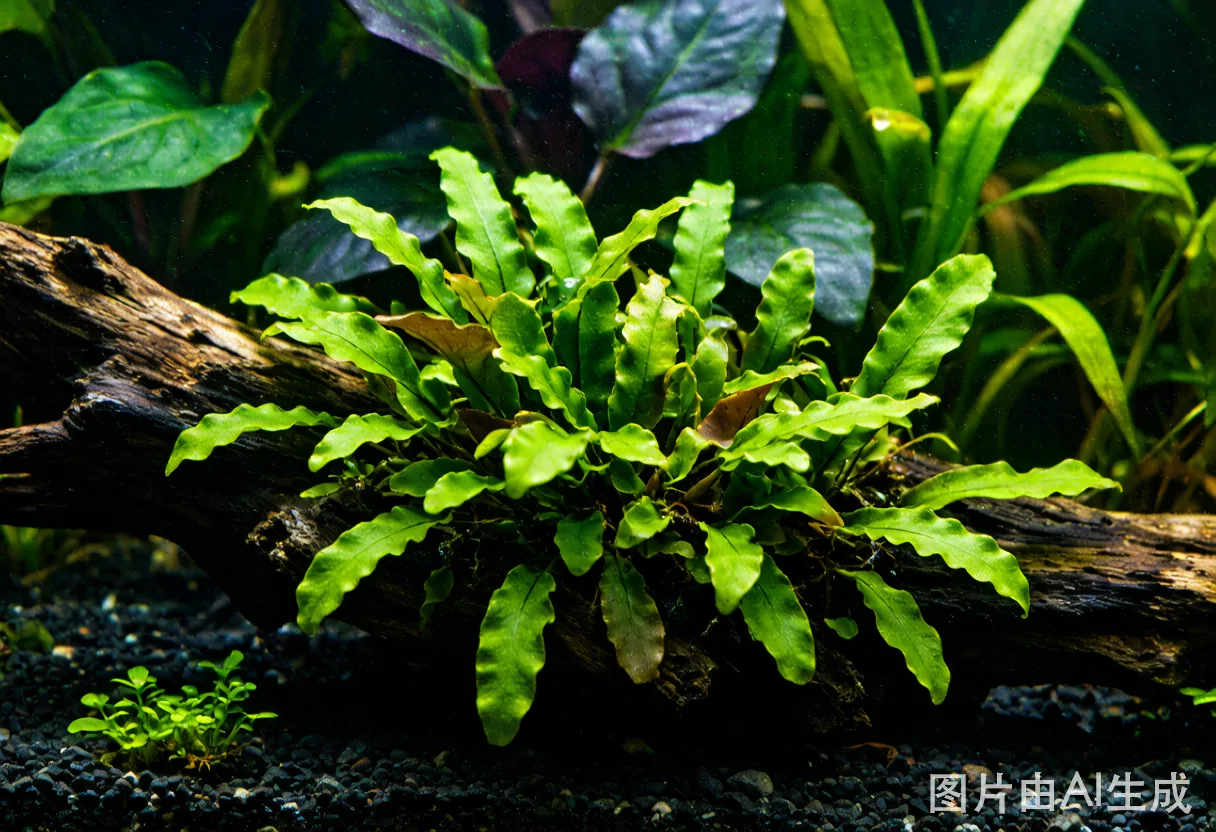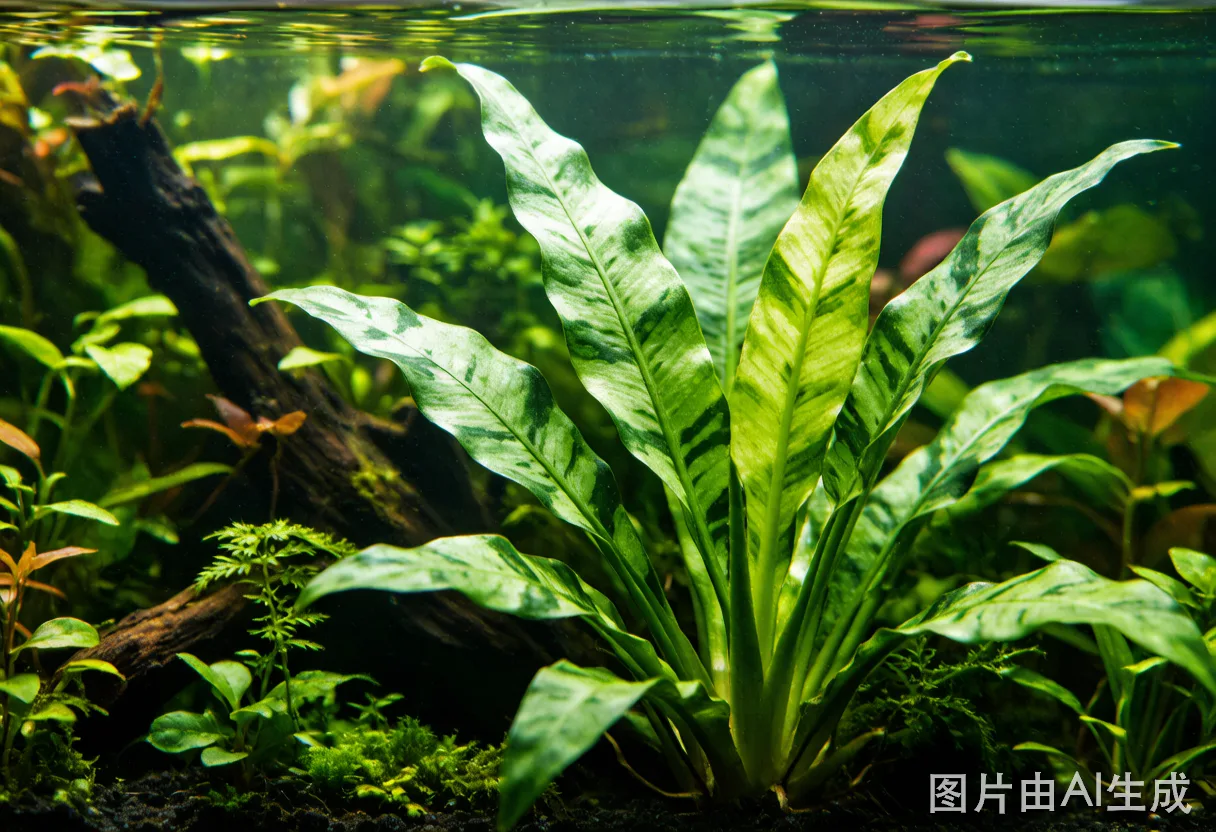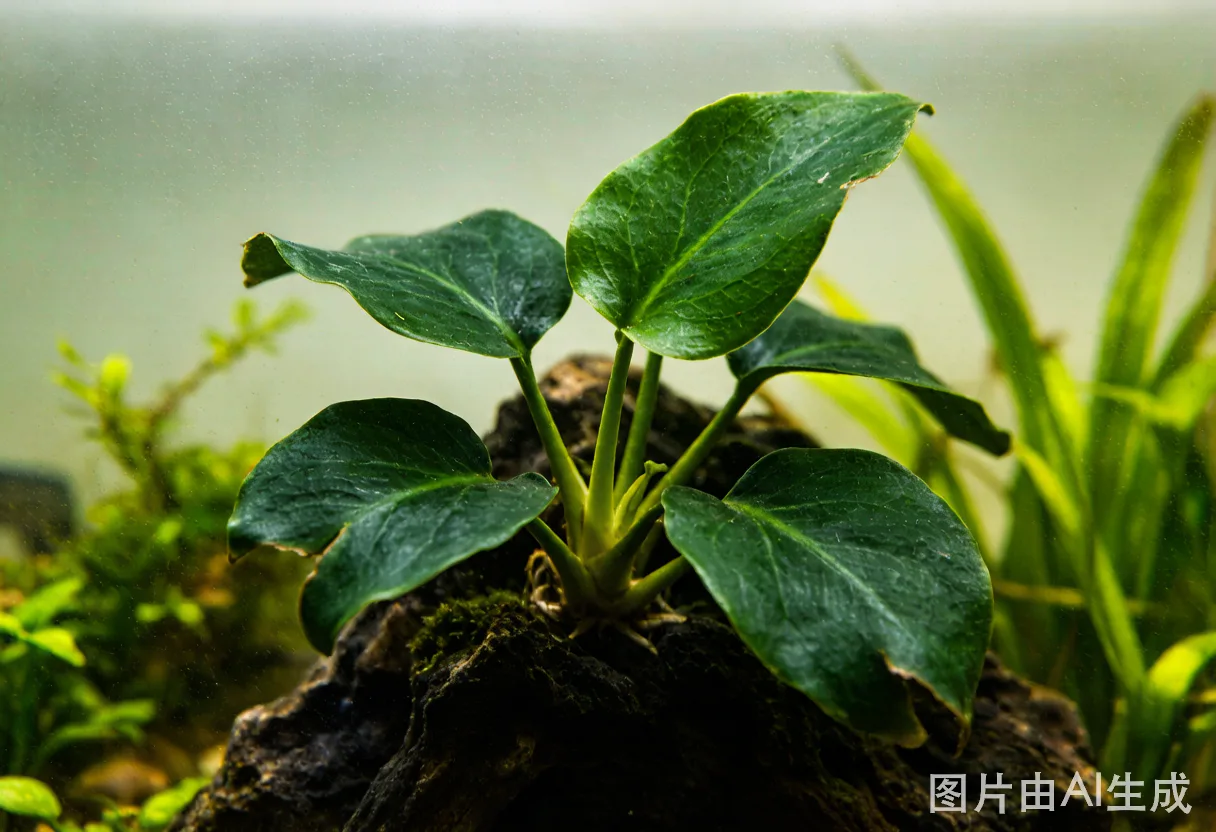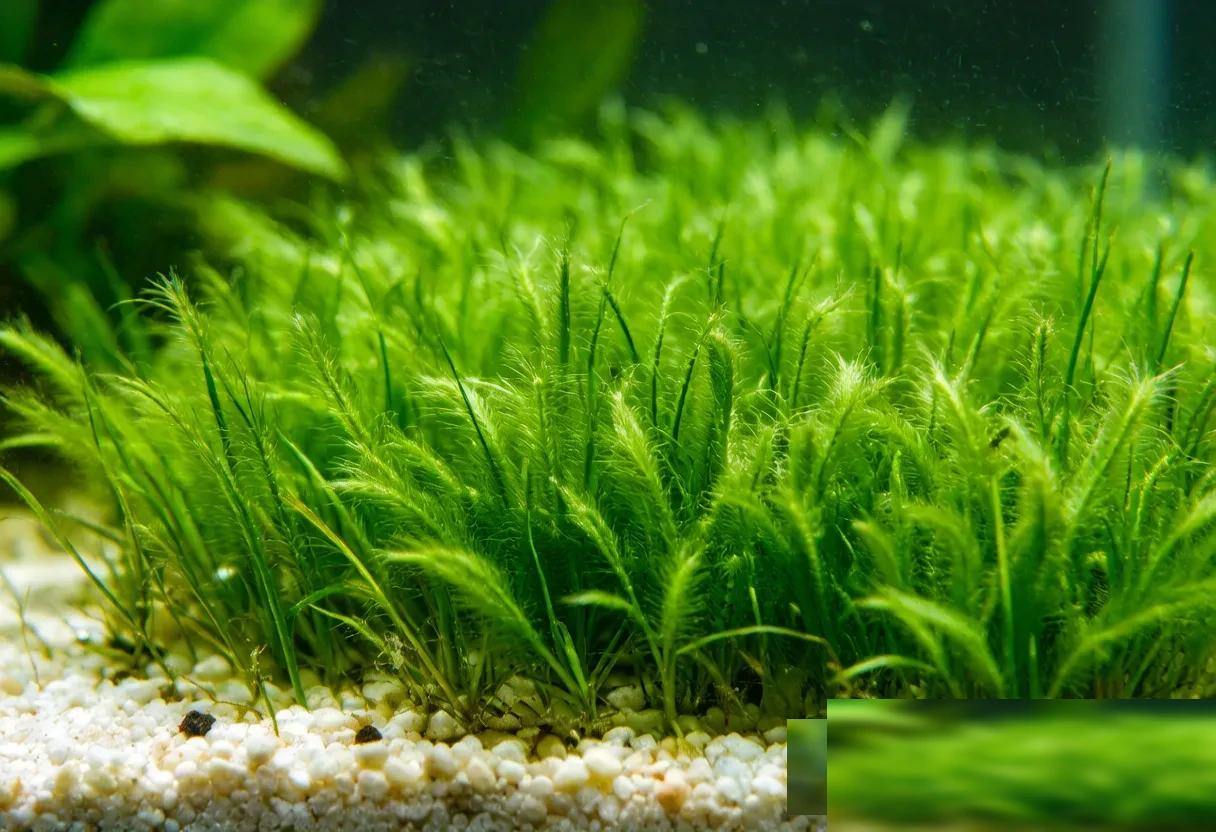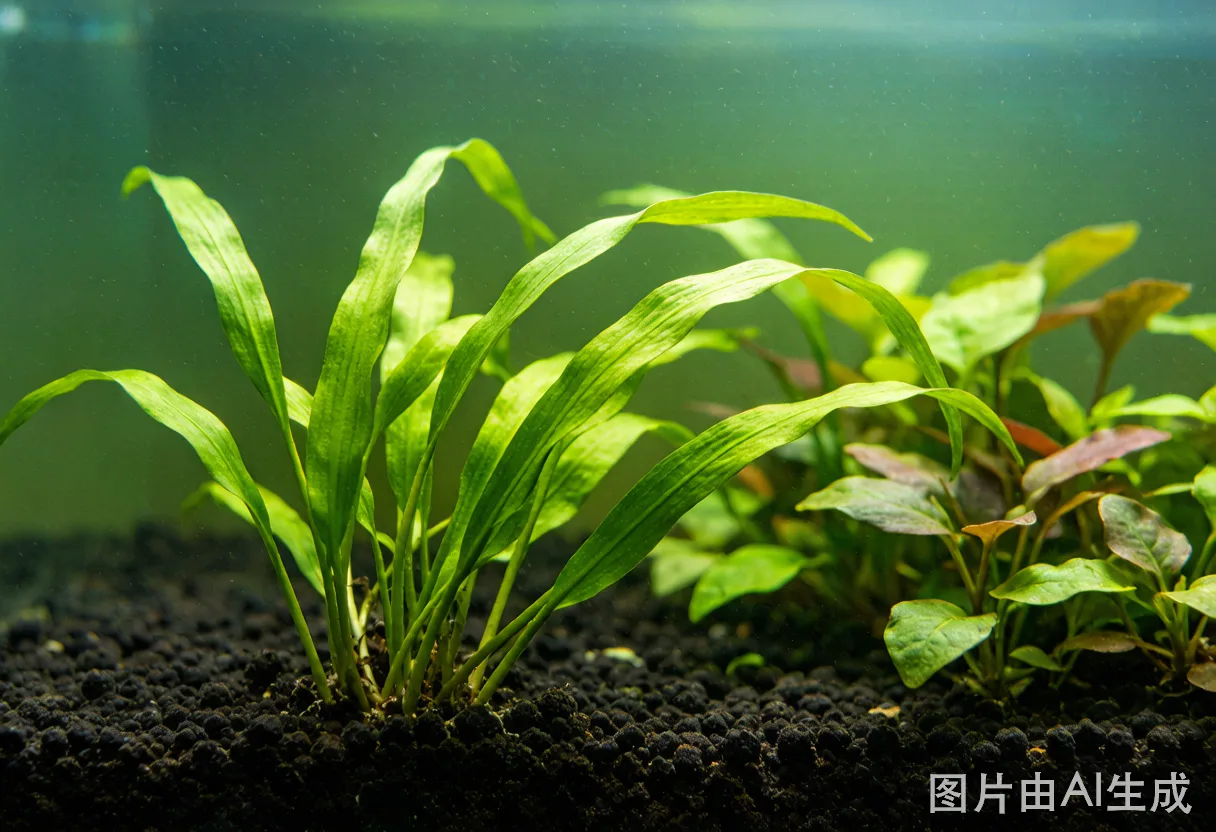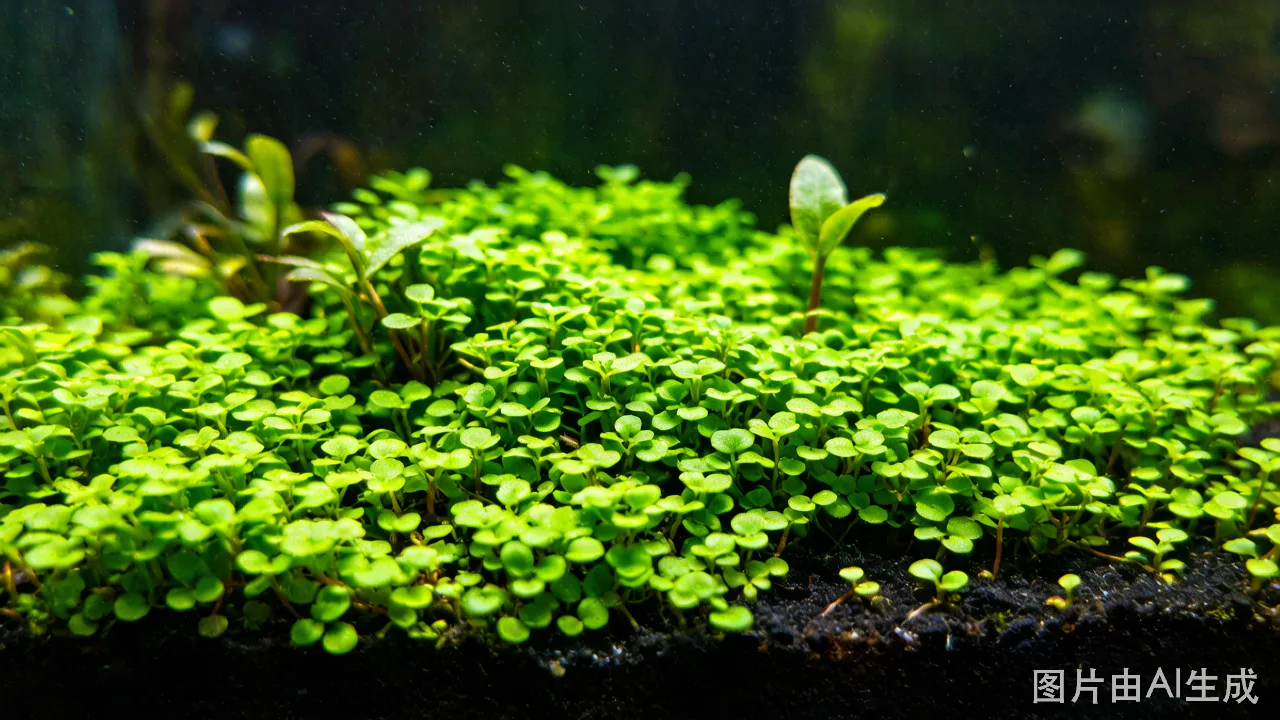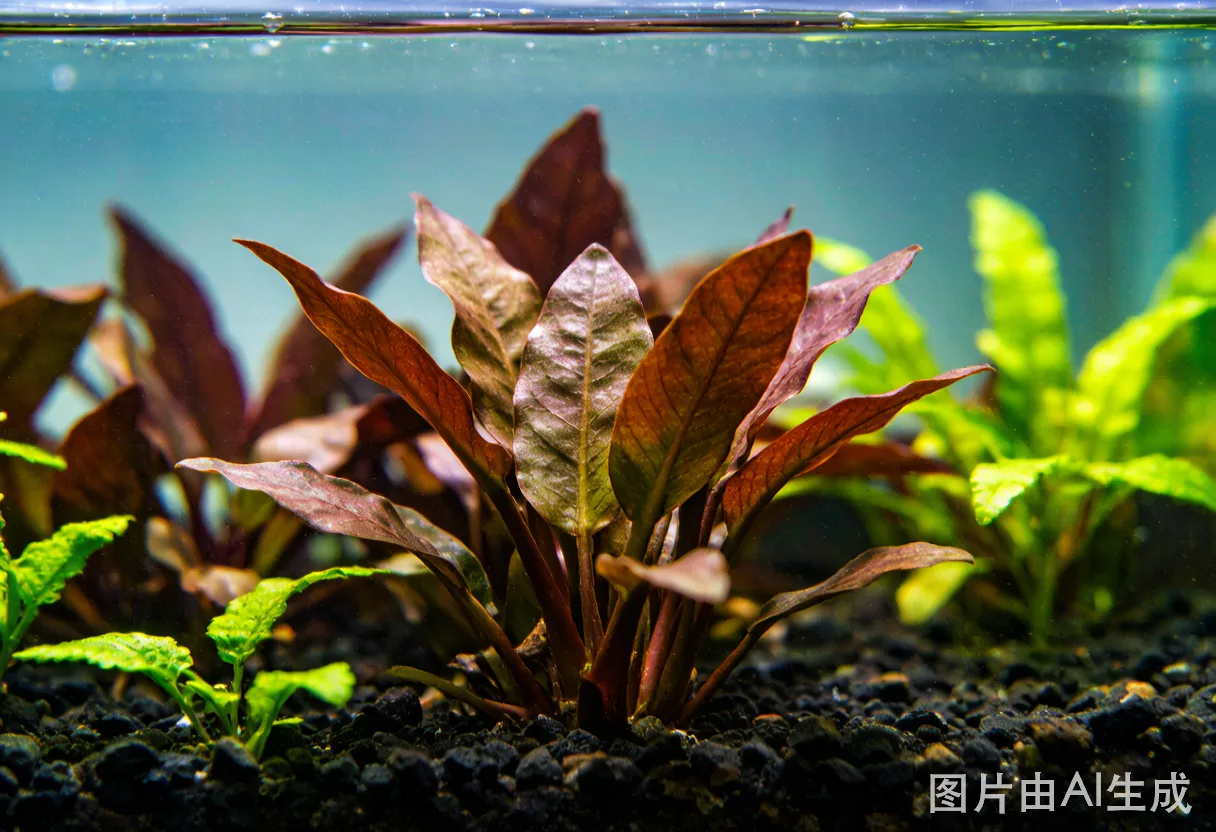
Cryptocoryne — 'crypts' — are hardy rosette plants that form lush clumps once settled.
At a glance
- Light: Low to medium
- CO2: Not required
- Temperature: 22–28 °C
- pH: 6.0–7.5
- Placement: Foreground to midground
- Growth: Slow
- Difficulty: Easy–Moderate
Planting and placement
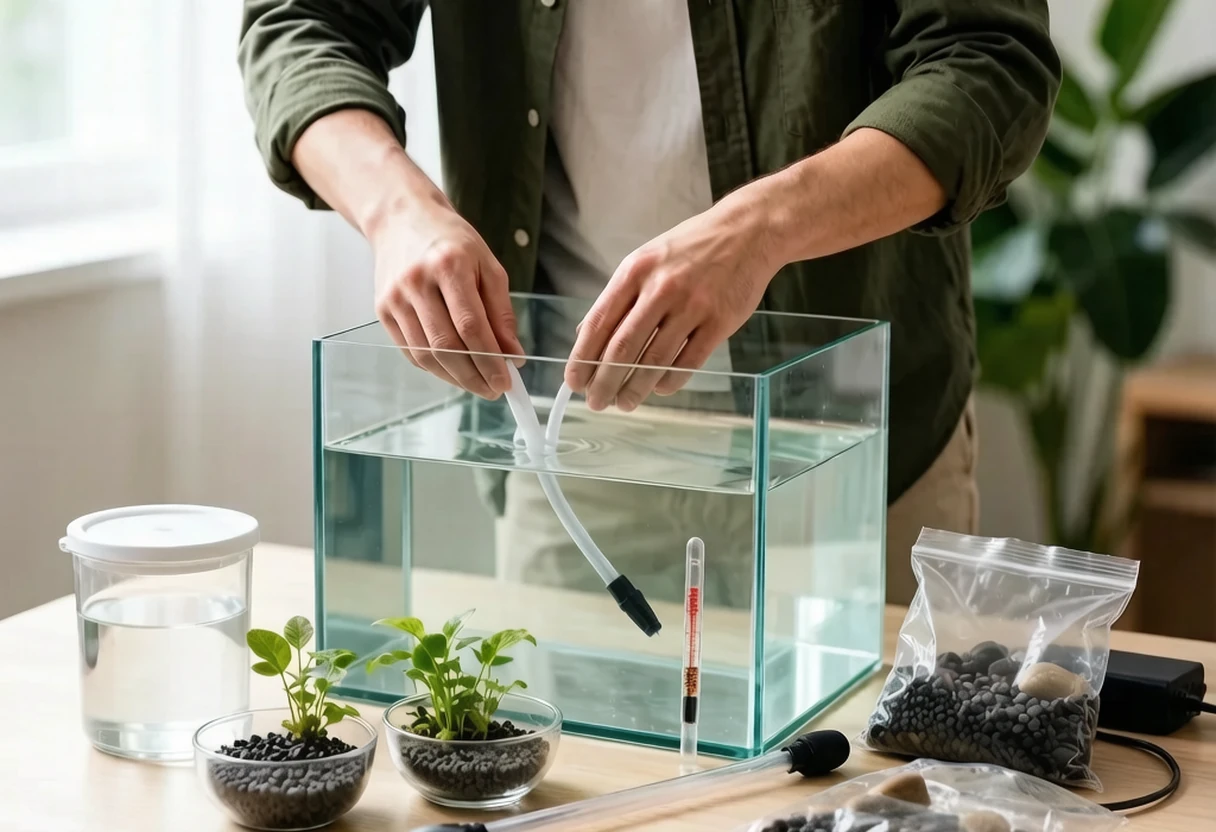
Plant in substrate and give it time; crypts hate being moved.
Light and CO2
Low to medium light suits them; too much invites algae and melt.
Care and trimming
Stable water is everything; once established they spread by runners.
Common problems
'Crypt melt' when conditions change — leaves rot then regrow from the base.
Pro tip
Don't panic at melt; keep conditions stable and the roots usually recover.
Light and CO₂
Cryptocoryne: Lush Rosette Plants has specific light needs. Most easy aquarium plants thrive under moderate LED lighting for 6–8 hours a day; add CO₂ only when you want denser growth. Too much light without balanced nutrients is the fast track to algae.
Planting and placement
Anchor roots in the substrate or tie rhizomes to rock and wood — never bury a rhizome. Place taller varieties at the back and rosette or carpeting plants toward the front so every leaf gets light. Good placement reduces melt and algae competition.
Trimming and propagation
Trim regularly to encourage bushier growth and stop plants shading each other. Many stem plants propagate from cuttings, while runners and daughter plants spread on their own. A trimmed tank stays healthy and looks intentional.
Troubleshooting algae and melt
New plants often shed old leaves while they adjust — that is normal melt, not failure. Persistent algae points to an imbalance of light, nutrients and CO₂; cut light hours and keep up water changes to regain control.
Light and CO₂
Cryptocoryne: Lush Rosette Plants has specific light needs. Most easy aquarium plants thrive under moderate LED lighting for 6–8 hours a day; add CO₂ only when you want denser growth. Too much light without balanced nutrients is the fast track to algae, so start conservative and increase gradually while watching for green dust on the glass. A simple timer removes the guesswork and keeps the photoperiod consistent, which plants prefer far more than a variable schedule.
Planting and placement
Anchor roots in the substrate or tie rhizomes to rock and wood — never bury a rhizome, or it rots. Place taller varieties at the back and rosette or carpeting plants toward the front so every leaf gets light. Good placement reduces melt and algae competition and makes the tank look designed rather than random. Leave swimming lanes open in the centre so fish are not forced to brush past foliage constantly.
Trimming and propagation
Trim regularly to encourage bushier growth and stop plants shading each other. Many stem plants propagate from cuttings, while runners and daughter plants spread on their own. A trimmed tank stays healthy and looks intentional, and you can often grow enough surplus to share with fellow aquarists. Use sharp aquascaping scissors and cut just above a node for the best regrowth.
Troubleshooting algae and melt
New plants often shed old leaves while they adjust — that is normal melt, not failure. Persistent algae points to an imbalance of light, nutrients and CO₂; cut light hours and keep up water changes to regain control. Add a few algae-eating invertebrates only after fixing the cause, not as a substitute for balance, or you simply move the problem around the tank.