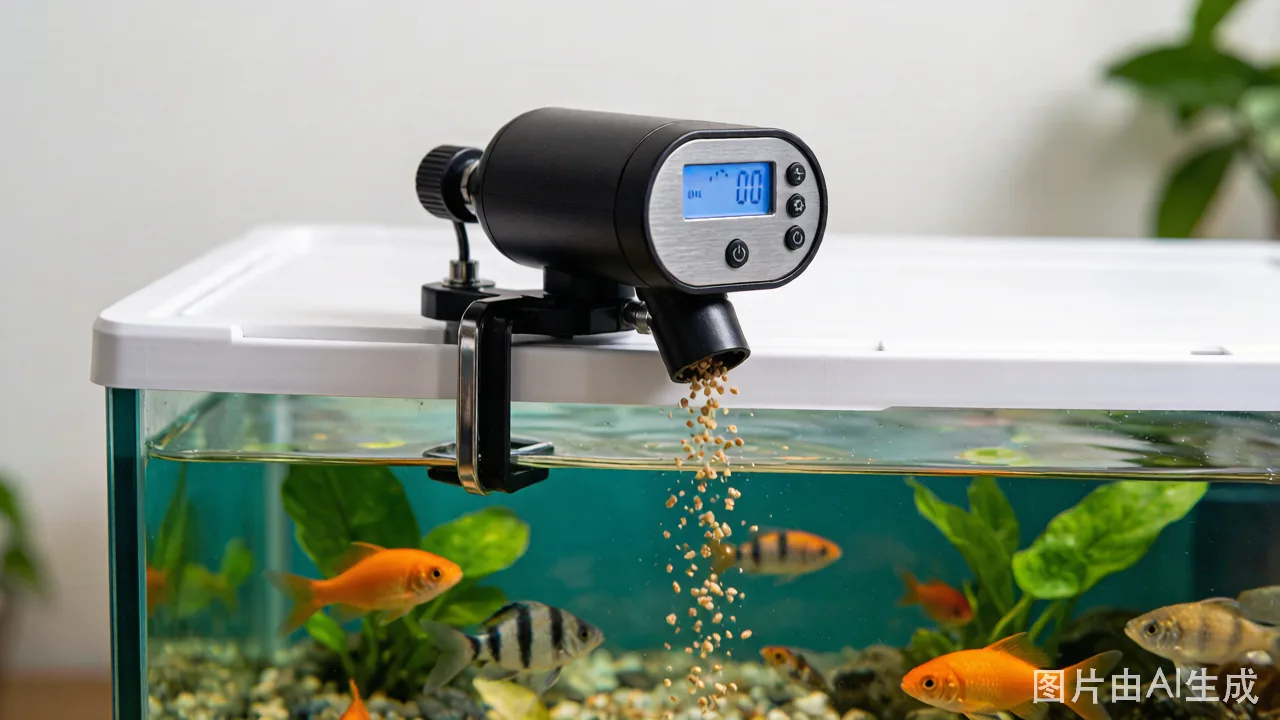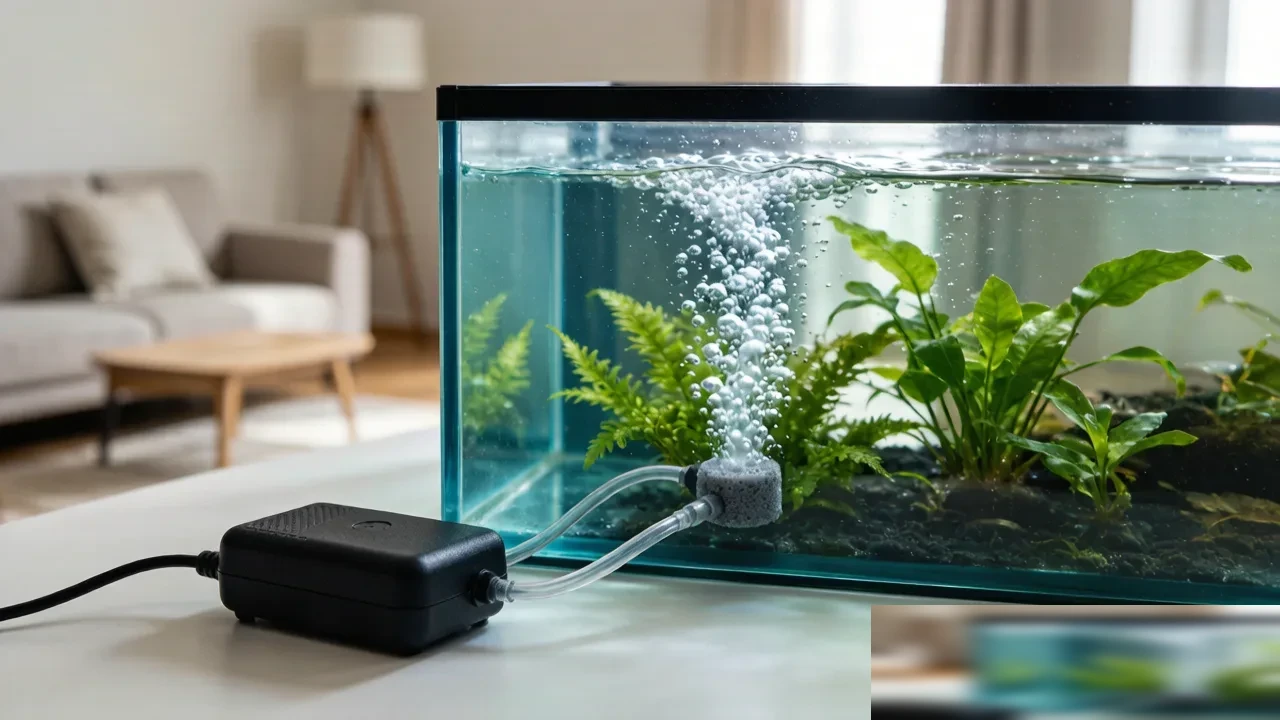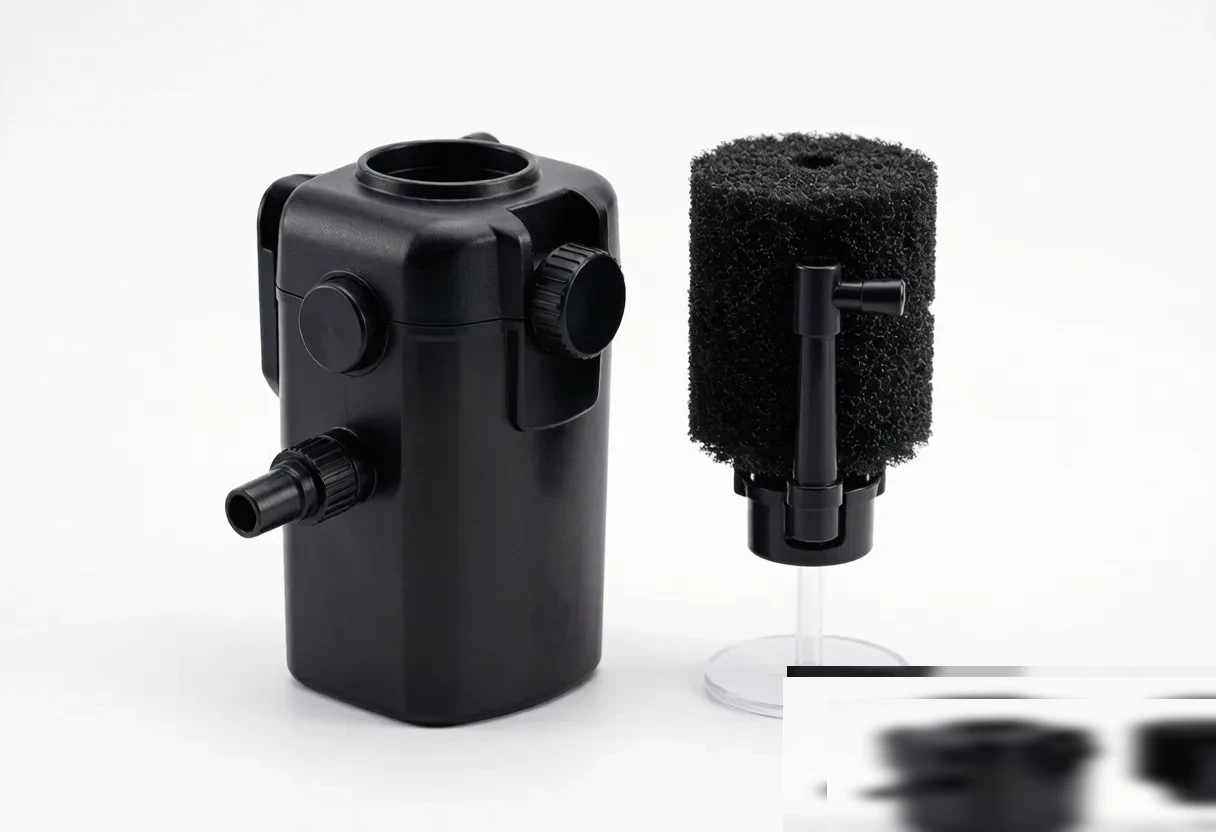
I have owned cheap and expensive versions of this gear, and the gap is not where most buyers expect it. The phosphate remover is one of those purchases where the right size matters more than the brand name.
What it does
It pulls phosphate out of the water, which is the food algae actually eats.
How to choose
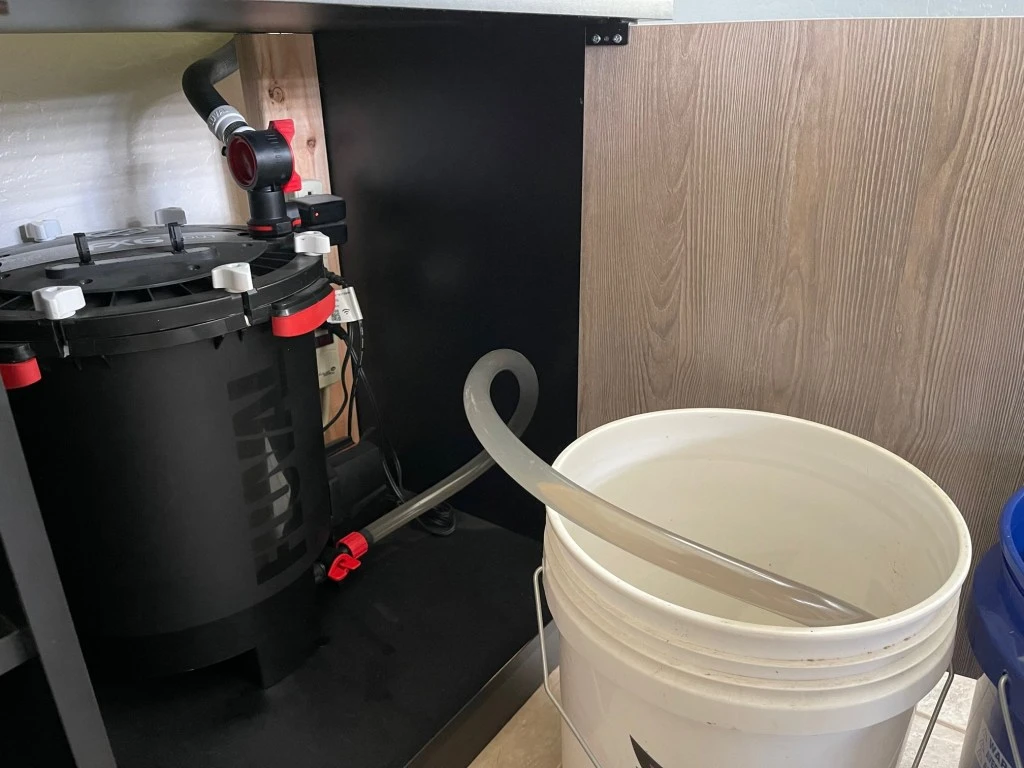
Size to the tank, not the shelf. For a typical 22-gallon setup you want a media for your phosphate level; a unit rated for 283 L/h of flow (around 15 W) covers most stocking levels without over-driving the water. Check the dropsy in fish: pinecone scales and what to do for the bigger picture before you commit.
Setup tips
- Position it for even flow or heat distribution — dead spots are where problems start.
- Prime or rinse media in tank water, never tap water, to protect beneficial bacteria.
- Build a spare into the budget; when it fails at 2 a.m. you will want the backup.
Maintenance
Clean on a schedule tied to your water change — every 2 weeks is typical. Rinse reusable media in old tank water and replace only what is truly spent. Pair it with a solid corydoras catfish care: the peaceful bottom cleaner so the whole system stays balanced.
Scaling up
In a tank over 55 gallons, match the phosphate remover to the full water volume and stocking load; undersizing here strains the whole system. Build redundancy so a single failure does not take the tank down.