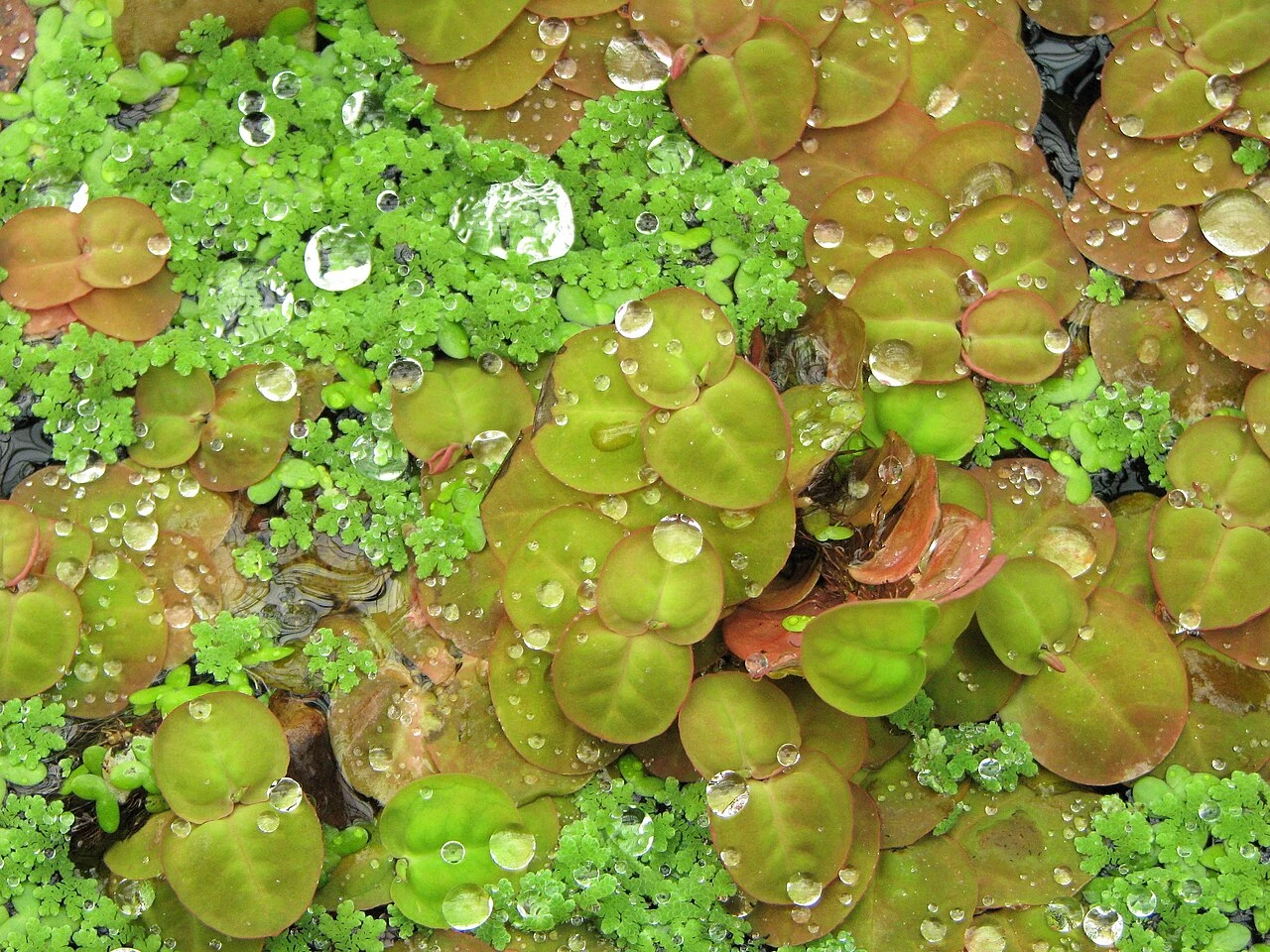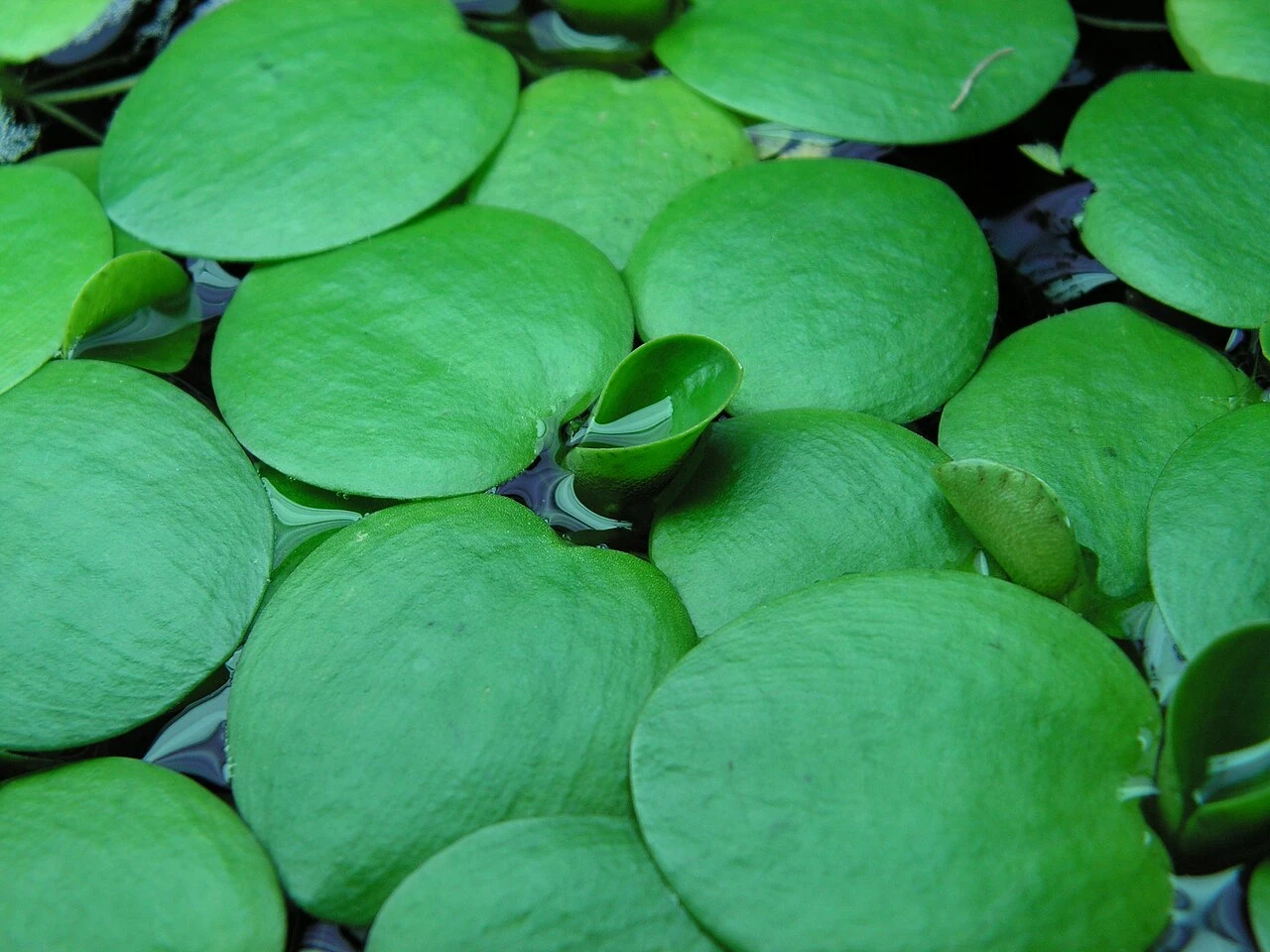
A Red root floater either thrives or melts within the first month, and the difference is almost always down to three things you can control. The Phyllanthus fluitans Red root floater is a workhorse plant for a reason: it tolerates a wide range of conditions and still looks good doing it.
At a glance
| Light | high |
|---|---|
| Temperature | 22 to 28 °C |
| pH | 6.0 to 7.5 |
| Height | 2 to 5 cm |
| CO₂ | not required |
| Growth | fast |
Planting
Plant Red root floater with the crown or rhizome clear of the substrate — burying it rots the base. In a 28-gallon tank, position it mid-ground or background depending on its height. Weaker setups do fine; pair it with a solid best canister filter for a 20-gallon tank (2026) for a layered look.
Light and CO₂
Run 10 hours of light a day on a timer to avoid algae swings. Red root floater grows under high light and not required, though a small, steady dose of liquid fertiliser every 3 weeks pushes denser growth.
Propagation
Daughter floats break off and colonise the surface.
Common issues
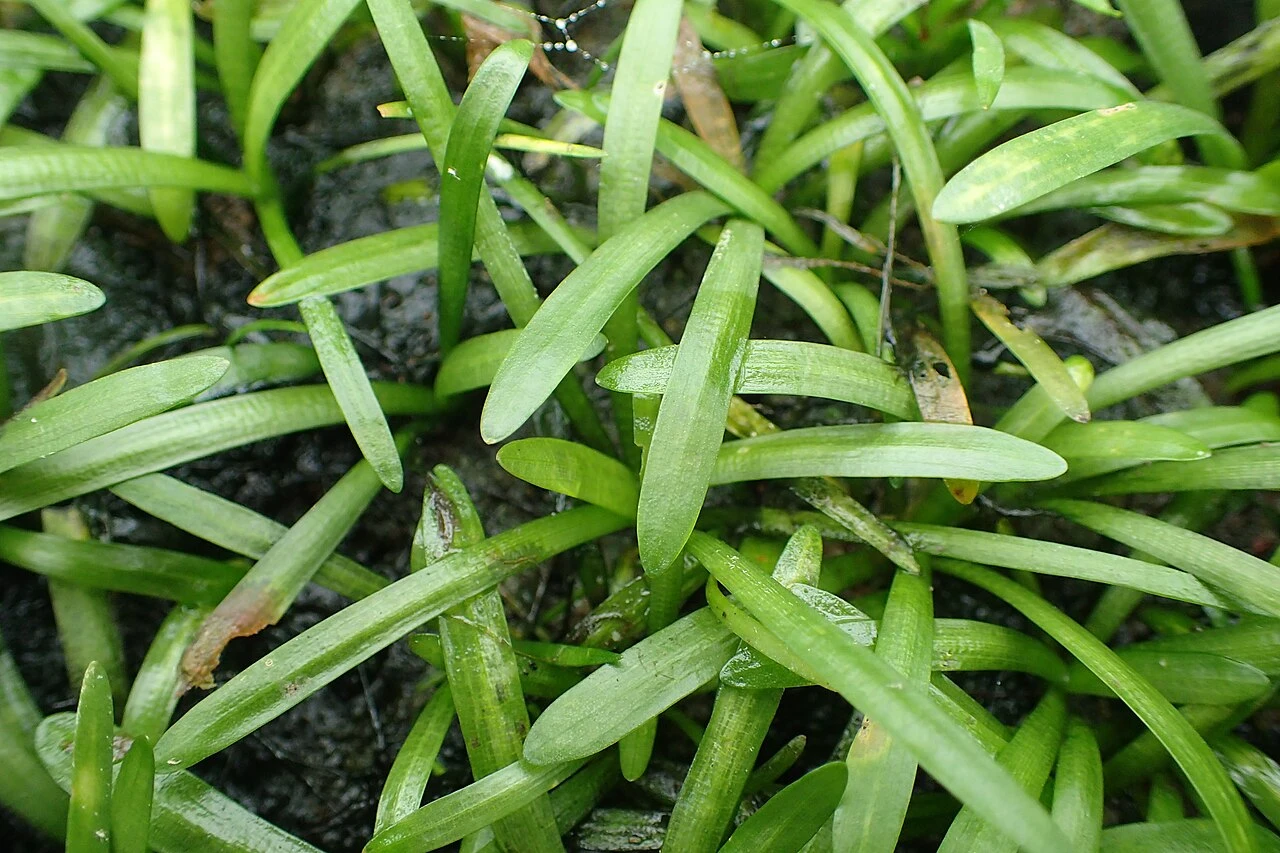
Yellowing lower leaves usually mean a nutrient gap, not too little light. Trim dying leaves at the base, keep nitrates around 10 to 20 ppm, and avoid moving the plant every week — the nymphoides hydrophylla in low light explains why stability beats tinkering.
CO₂ dosing notes
Add a steady, small CO₂ dose and the Red root floater colours up and grows denser. Match the bubble rate to your tank litres, keep flow gentle, and watch for algae if light and CO₂ drift out of balance.