UV sterilizers shine ultraviolet light through flowing water to kill algae, bacteria and parasites. They are brilliant for green water, but they are not a cure-all — and they are often oversold.
What it does
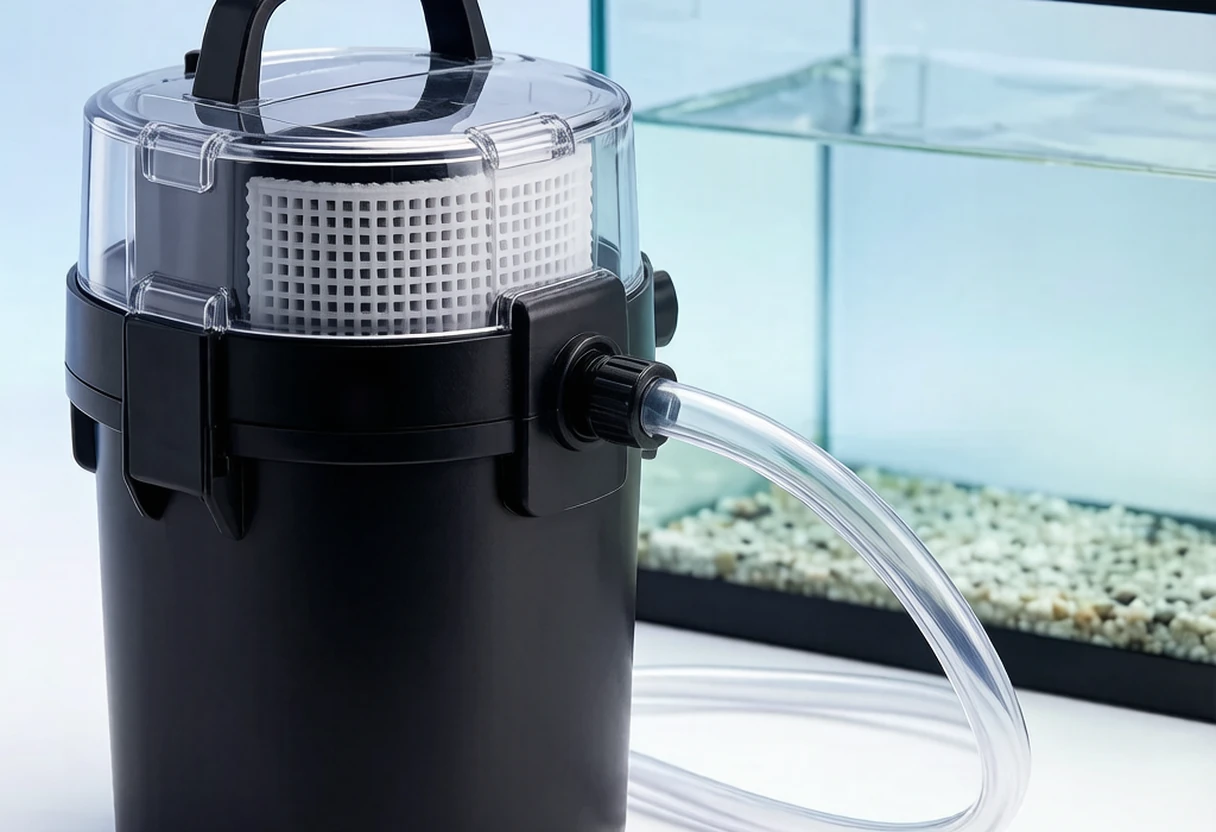
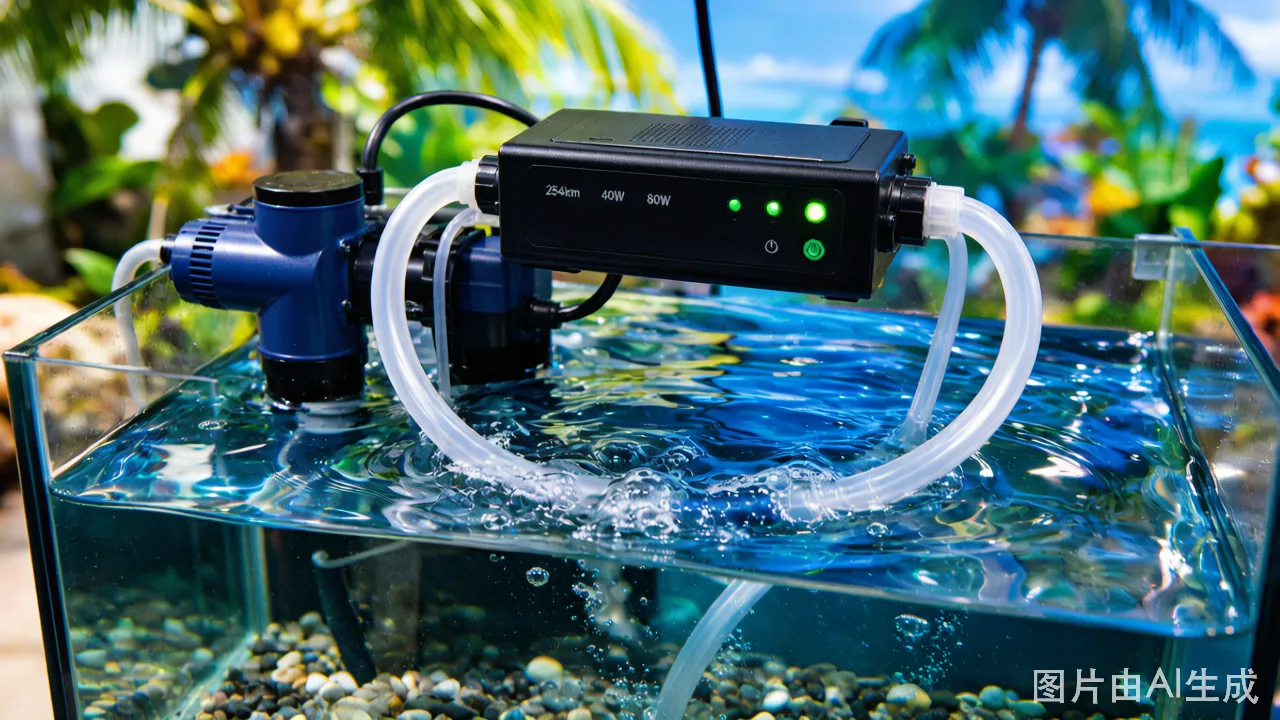
Water passes through a chamber past a UV bulb; the light destroys the DNA of suspended algae, bacteria and some parasites. It clears water but does nothing for algae already on glass or plants.
How to choose
Size by tank volume and flow. Too slow a flow and it won't sterilize; too fast and organisms slip past the light. Match the unit's rated flow to your pump.
Pro tip
A UV unit only helps free-floating problems (green water, some parasites in the water column). It will not fix hair algae on plants or underlying water-quality issues.
Our shortlist
- AA Aquarium Green Killing Machine — All-in-one, simple for 10–55 gal green-water control.
- Coralife Turbo-Twist — In-line option for canister-fed tanks.
- Aquamedic Helix — Compact in-line for larger systems.
Setup and placement
Plumb it in-line after the filter (or as a hang-on unit), run it only when needed, and replace the bulb yearly — UV output fades long before it stops glowing.
Common questions
Get one mainly for persistent green water or to reduce free-floating parasites in a reef or hospital loop. Skip it if your water is already clear and stable.
See also our full gear hub and the FreshwaterNest tools.
How to choose the right one
With uv sterilizer guide: do you actually need one?, match the tool to your tank volume and stocking, not to the marketing. A filter or heater sized for a 20-gallon tank will struggle in a 55, and oversized gear can stress sensitive species. Read the spec sheet in terms of your actual water volume.
Setup and maintenance
Position the unit for good flow and easy access, then maintain it on a schedule: rinse media in old tank water (never tap water), and check performance during each water change. Well-maintained gear lasts years and keeps water stable between services.
Alternatives at a glance
No single product suits every tank. Compare build quality, running cost, and how much hands-on time you want. For many beginners a simpler, reliable option beats a feature-heavy one they never fully learn to use.
Buying tips
Buy from a retailer with a real return policy, keep the receipt, and resist the urge to overspend on the first model you see. A mid-range unit from a known brand usually beats a cheap unknown on reliability.
How to choose the right one
With uv sterilizer guide: do you actually need one?, match the tool to your tank volume and stocking, not to the marketing. A filter or heater sized for a 20-gallon tank will struggle in a 55, and oversized gear can stress sensitive species. Read the spec sheet in terms of your actual water volume, and add a margin for a planted or heavily stocked tank. Reviews from long-term users beat glossy product photos when it comes to reliability.
Setup and maintenance
Position the unit for good flow and easy access, then maintain it on a schedule: rinse media in old tank water (never tap water, which kills beneficial bacteria), and check performance during each water change. Well-maintained gear lasts years and keeps water stable between services. Keep a spare of critical items — a backup heater or air pump — so a single failure never becomes an emergency that costs fish their lives.
Alternatives at a glance
No single product suits every tank. Compare build quality, running cost, and how much hands-on time you want. For many beginners a simpler, reliable option beats a feature-heavy one they never fully learn to use. Consider energy use too: a device running 24/7 adds up, and a efficient model pays for the price difference over a year of operation.
Buying tips
Buy from a retailer with a real return policy, keep the receipt, and resist the urge to overspend on the first model you see. A mid-range unit from a known brand usually beats a cheap unknown on reliability and spare-part availability. Watch for bundles that include media or fittings you would buy anyway — they are often the better value once you price the extras separately.