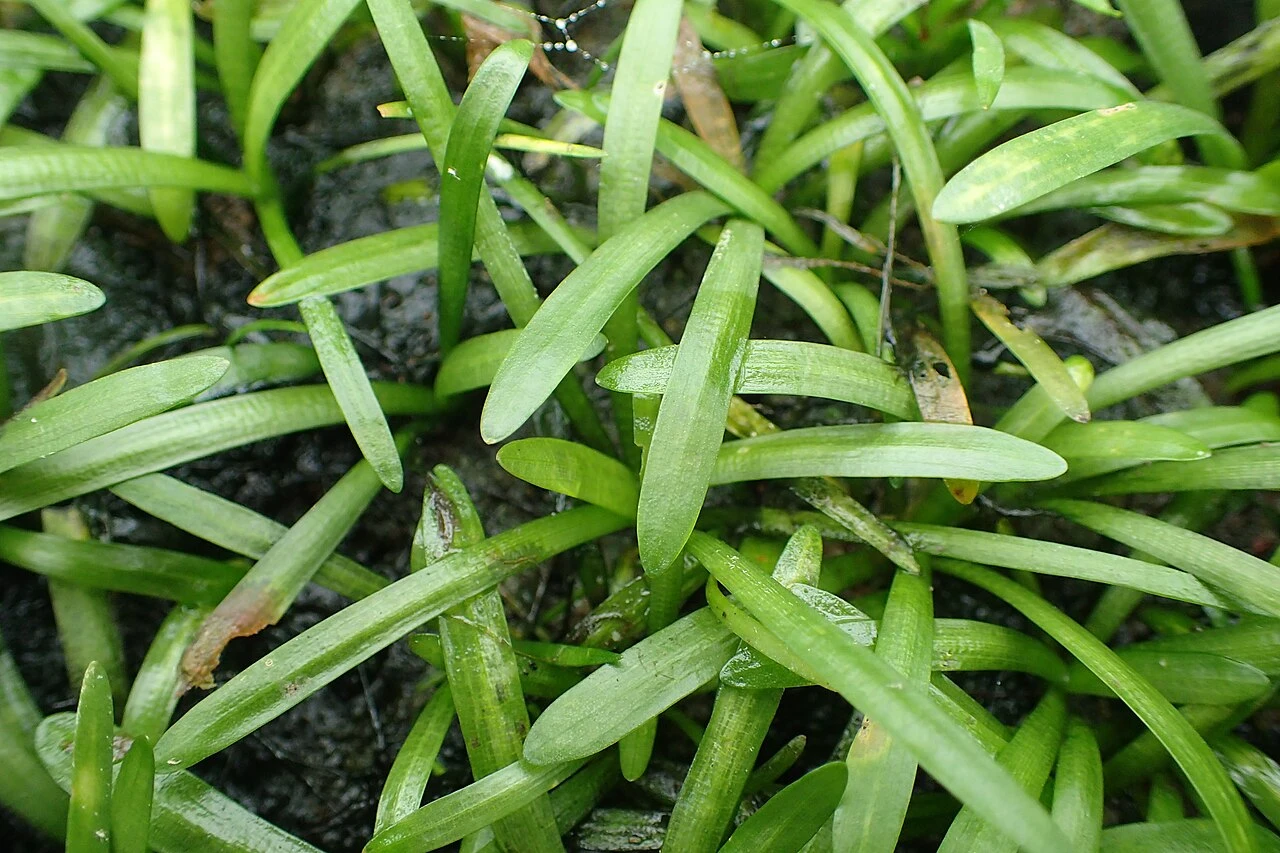
A Vallisneria either thrives or melts within the first month, and the difference is almost always down to three things you can control. The Vallisneria spiralis Vallisneria is a workhorse plant for a reason: it tolerates a wide range of conditions and still looks good doing it.
At a glance
| Light | high |
|---|---|
| Temperature | 22 to 28 °C |
| pH | 6.0 to 7.5 |
| Height | 40 to 80 cm |
| CO₂ | optional |
| Growth | fast |
Planting
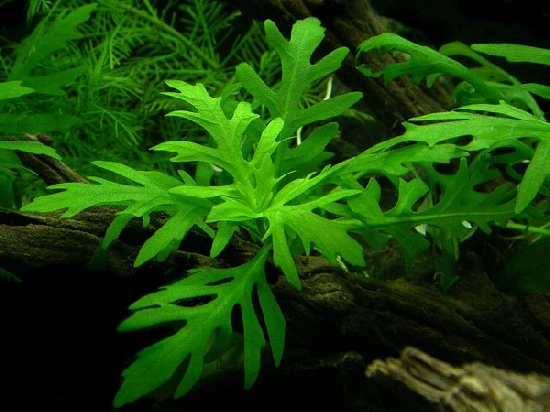
Plant Vallisneria with the crown or rhizome clear of the substrate — burying it rots the base. In a 26-gallon tank, position it mid-ground or background depending on its height. Weaker setups do fine; pair it with a solid hydra in a planted tank for a layered look.
Light and CO₂
Run 8 hours of light a day on a timer to avoid algae swings. Vallisneria grows under high light and optional, though a small, steady dose of liquid fertiliser every 3 weeks pushes denser growth.
Propagation
It sends out runners that root and form a grassy background stand.
Common issues
Yellowing lower leaves usually mean a nutrient gap, not too little light. Trim dying leaves at the base, keep nitrates around 10 to 20 ppm, and avoid moving the plant every week — our hardscape guide guide guide explains why stability beats tinkering.
CO₂ dosing notes
Add a steady, small CO₂ dose and the Vallisneria colours up and grows denser. Match the bubble rate to your tank litres, keep flow gentle, and watch for algae if light and CO₂ drift out of balance.