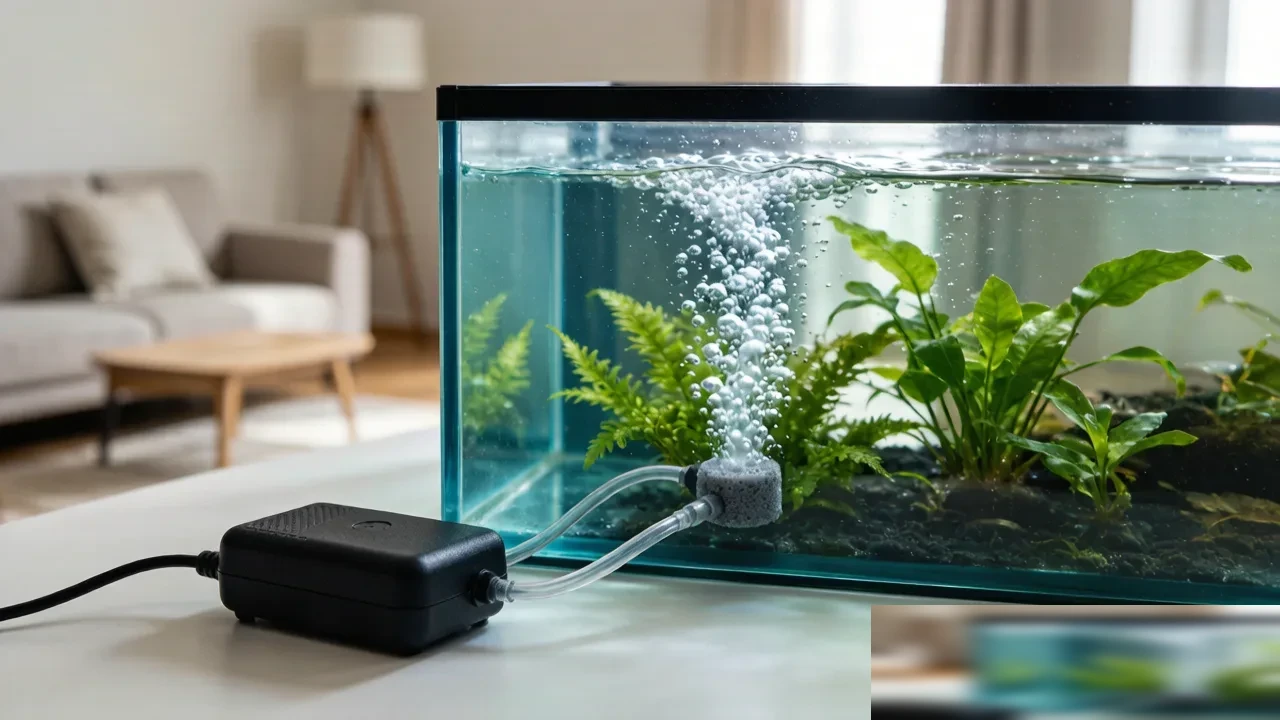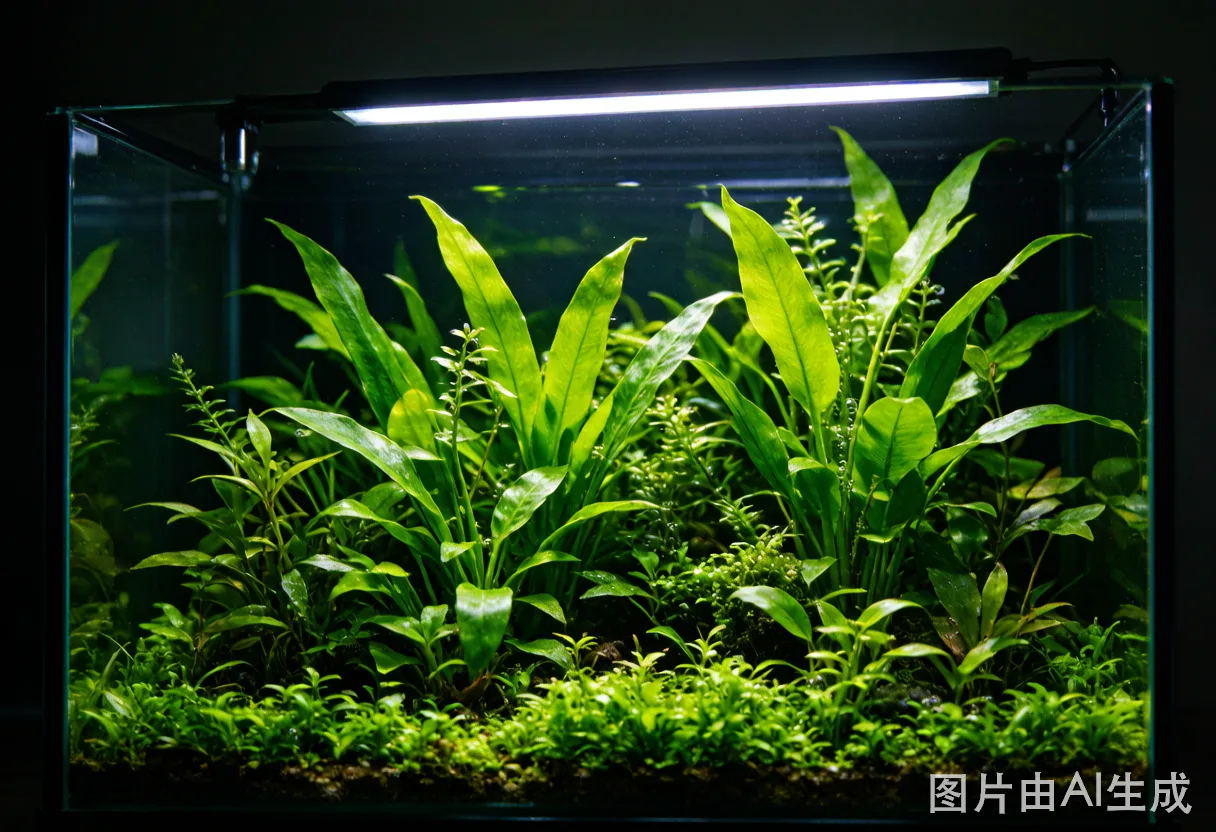
For decades the fluorescent tube was the only real option for aquarium lighting. Today LED fixtures dominate, yet you will still find T5 and T8 tubes on budget and planted setups. The choice is not just 'new vs old' — it is about what your tank actually needs.
How aquarium lighting changed
Both LED and fluorescent fixtures exist to do the same job: power photosynthesis for plants and reveal fish colour for you. The difference is in how efficiently and flexibly they deliver light. Our LED lighting guide digs into placement and timers.
| LED | Fluorescent (T5/T8) | |
|---|---|---|
| Energy use | Low; far less wattage for same output | Higher; much lost as heat |
| Heat output | Minimal; safe near the water | Significant; can warm small tanks |
| Spectrum control | Tunable, full RGB options | Fixed by the tube type |
| Lifespan | 30,000-50,000 hours | 6,000-10,000 hours |
| Upfront cost | Higher for quality units | Lower, widely available |
| Dimming & timers | Built-in on most fixtures | Rare; needs external control |
| Plant growth | Excellent with right PAR | Good, especially T5 HO |
| Disposal | No hazardous waste | Tubes need careful disposal |
For planted tanks
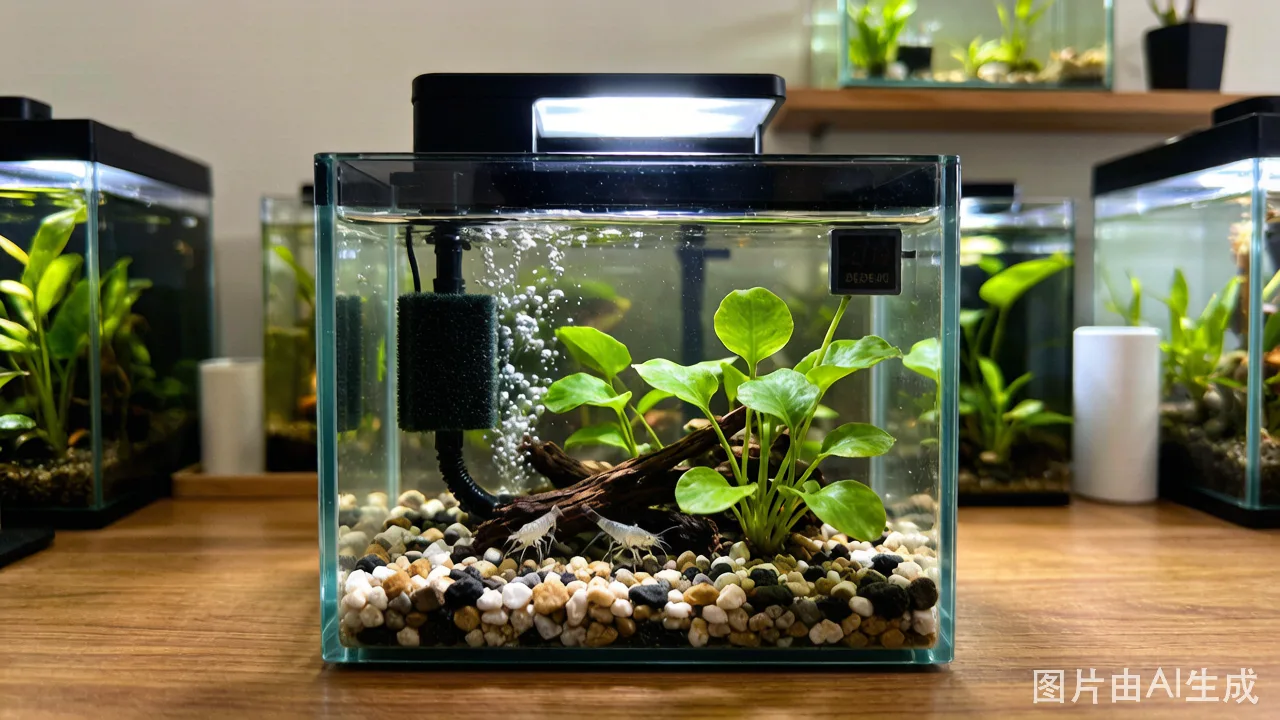
LED is the clear winner for a planted tank. Modern LEDs deliver the right intensity (PAR) for stem plants and carpets, run cool, and let you dial a sunrise-sunset ramp that reduces algae. Pair the light with the layout tips in aquascaping for beginners and easy plants like java fern.
For low-tech tanks
If you run a low-light, no-CO2 tank of anubias and java fern, a basic fluorescent or a cheap LED both work. Just keep photoperiod to 6-8 hours; too much light without balanced nutrients is the fast track to algae. When algae appears, review the best algae eaters and trim your lighting hours.
Common lighting mistakes
- Too much light too soon — ramp up gradually after water changes and stable parameters.
- No timer — an inconsistent schedule stresses fish and feeds algae; a cheap plug-in timer fixes it.
- Buying on watts alone — for plants, look at PAR at your substrate depth, not just the label.