After setting up dozens of tanks, the gear that earns a spot is the stuff you stop thinking about. The refractometer is one of those purchases where the right size matters more than the brand name.
What it does
It reads salinity precisely for brackish or quarantine setups.
How to choose
Size to the tank, not the shelf. For a typical 36-gallon setup you want a unit for salinity; a unit rated for 309 L/h of flow (around 100 W) covers most stocking levels without over-driving the water. Check our lumpy jaw treatment plan guide for the bigger picture before you commit.
Setup tips
- Position it for even flow or heat distribution — dead spots are where problems start.
- Prime or rinse media in tank water, never tap water, to protect beneficial bacteria.
- Build a spare into the budget; when it fails at 2 a.m. you will want the backup.
Maintenance
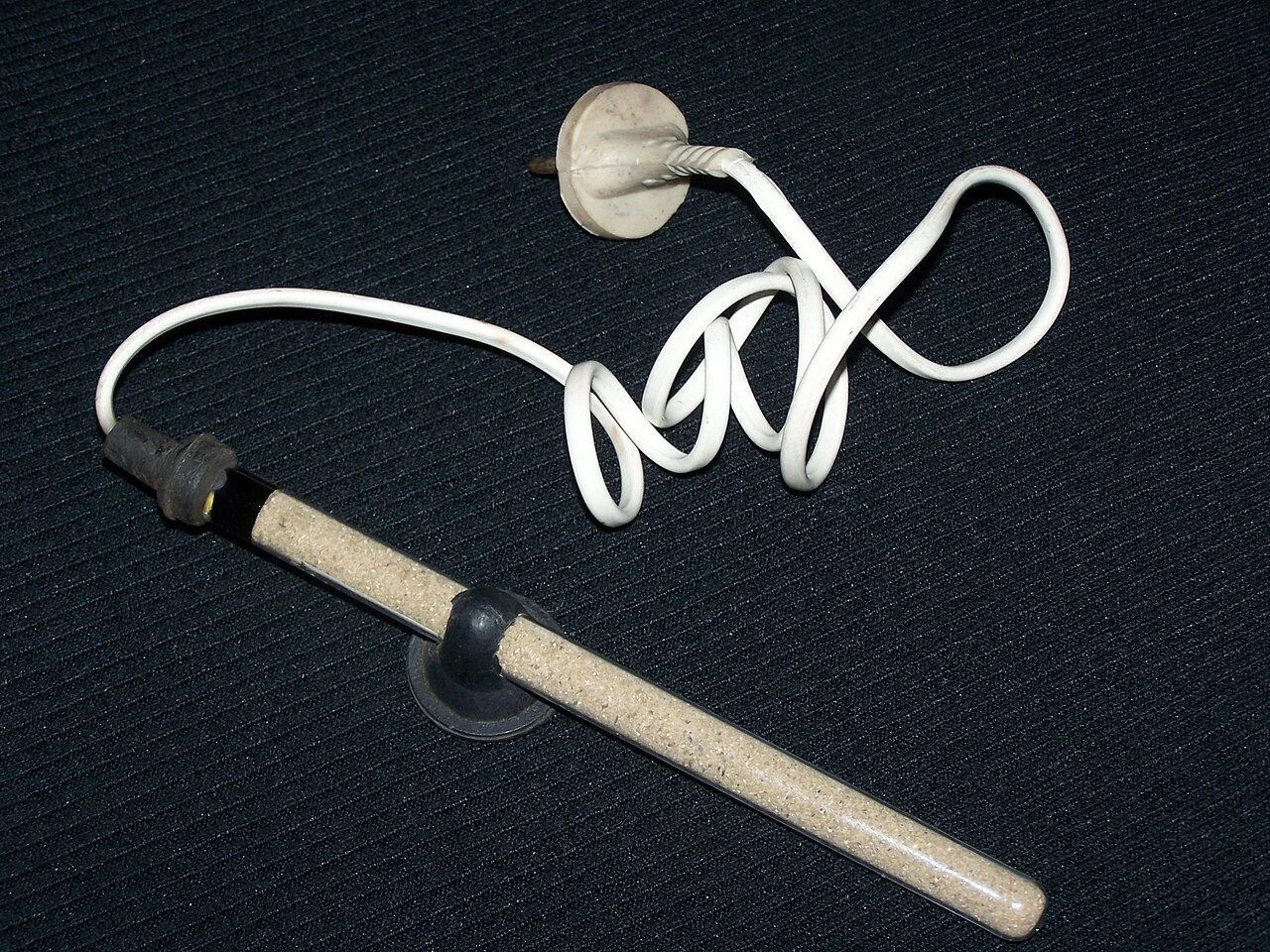
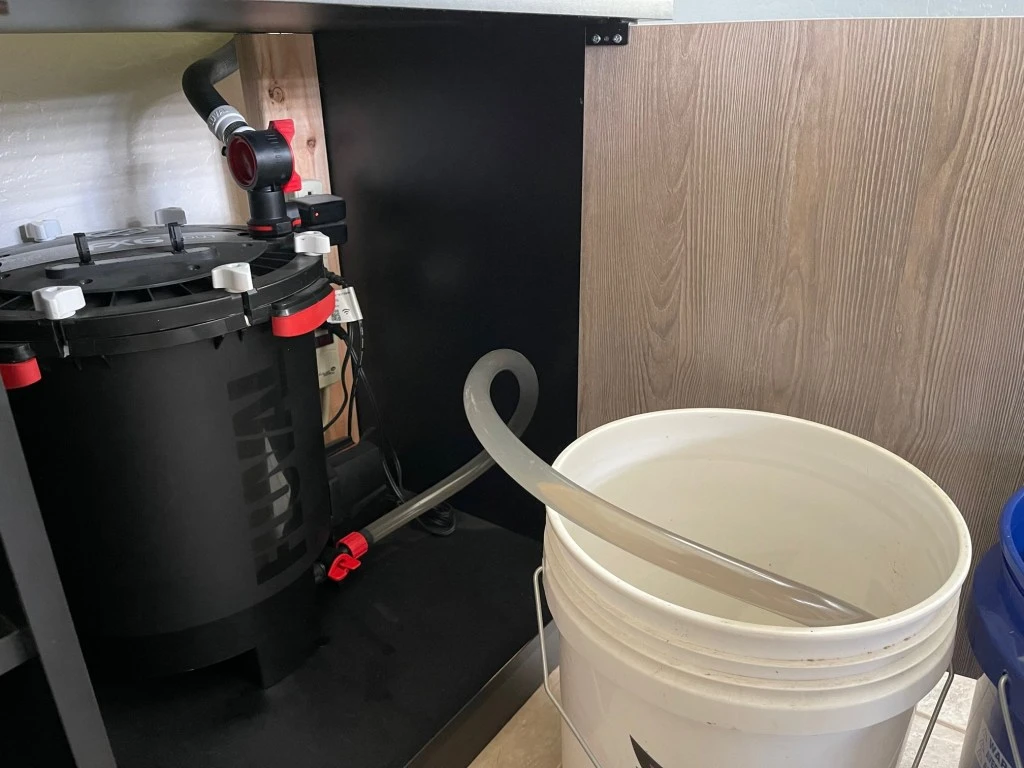
Clean on a schedule tied to your water change — every 6 weeks is typical. Rinse reusable media in old tank water and replace only what is truly spent. Pair it with a solid best aquarium heater 2026 (and how to size one) so the whole system stays balanced.
Small-tank fit
For a tank under 20 gallons, size the refractometer to the lower end of its range so it does not over-power the water. A compact unit keeps flow and heat stable without stressing small fish.